Read article – Quotes Norman Paradis, professor of medicine, from an opinion piece published in The Conversation about the claim that the blood-testing company Theranos can produce cheaper, faster, less scary blood tests, as well as the assumption that succeeding in this quest would improve public health.
Articles by: Geisel Communications

Infants Who Ate Rice, Rice Products Had Higher Urinary Concentrations of Arsenic
Although rice and rice products are typical first foods for infants, a new Dartmouth-led study found that infants who ate rice and rice products had higher urinary arsenic concentrations than those who did not consume any type of rice, according to an article published online by JAMA Pediatrics.
Babies who eat rice cereal have higher arsenic levels: study – CBS News
Read article – Coverage of study led by Margaret Karagas, chair and professor of epidemiology and professor of community and family medicine, which found that babies fed with rice cereals and other rice-based food products are likely to have higher concentrations of inorganic arsenic in their urine compared with babies who are not. The study appeared in JAMA Pediatrics.
Officials Wary of Zika’s Threat to NH – New Hampshire Union Leader
Read article – Cites comments by Elizabeth Talbot, associate professor of medicine, who participated in a roundtable discussion on Friday with some of the state’s top health experts to discuss the Zika virus and assess the level of risk to New Hampshire residents. Talbot traveled to West Africa in late 2014 to help protect humanitarian workers battling the Ebola epidemic, and said like Ebola, fears of the Zika virus affect the overall sense of safety even in areas where the disease is not present.
Sleep Aids Carry an Array of Risks, Including Next-Day Hangover Effects – The Boston Globe
Read article – Lisa Schwartz, professor of medicine, community and family medicine, and of the Dartmouth Institute for Health Policy and Clinical Practice, is quoted about her work with Consumer Reports Best Buy Drugs on investigating the benefits and harms of sleeping pills. “But those benefits aren’t as great as many people assume, and the drugs have important harms,” says Schwartz.
The Rise and Fall of Theranos: So Many Lessons in a Drop of Blood – The Conversation
Read article – An opinion piece by Norman Paradis, professor of medicine, about the unraveling of the life sciences company Theranos, and how the widely acclaimed biomedical innovator has fallen so far, so fast. (Also picked up by Scientific American.)
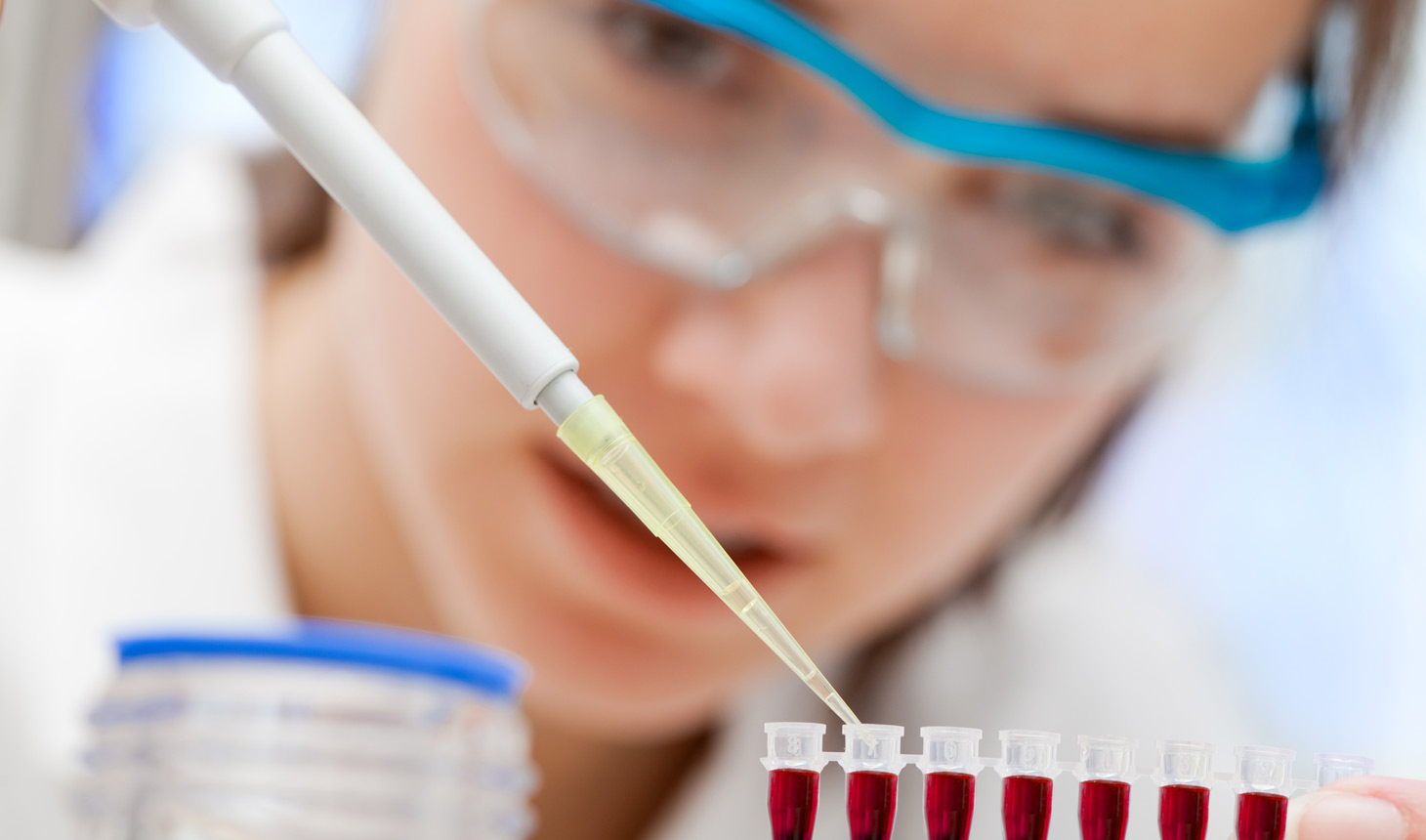
Infectious outbreaks must be combatted strategically, Dartmouth-HHS experts argue
New funding is not enough to guarantee success against emerging infectious diseases around the world. Rather, good governance, a long-term technology investment strategy and strong product management skills are essential, say a Dartmouth College researcher and her co-author.
Life Expectancy Drops For White Women, Increases For Black Men – NPR
Read article – Ellen Meara, professor of the Dartmouth Institute for Health Policy and Clinical Practice, is quoted about a report recently released by the Centers for Disease Control and Prevention’s National Center for Health Statistics, that found that white women are dying at a slightly younger age than they used to, and that the average life expectancy for non-Hispanic black men increased by about a half year. “There are people for whom life expectancy is falling—and that’s happening at a time where everywhere else and for every other group we’re seeing all these amazing gains in survival,” Meara says.
After Pancreatic Surgery: Know Your EPI Risk – Everyday Health
Read more – Quotes Timothy Gardner, associate professor of medicine, about how developing exocrine pancreatic insufficiency isn’t a given after surgery, and the real key is how much of your pancreas has been removed. “It’s a volume issue,” says Gardner. “The less pancreas you have, the less ability you have to make enzymes.”
PET Scan Follow-Up Use Varies Widely, But Survival Doesn’t – Oncology Times
Read article – Quotes Sandra Wong, chair and professor of surgery and professor of the Dartmouth Institute for Health Policy and Clinical Practice, who is the lead author of a recent study that found that the degree of usage of PET scans for follow-up care for U.S. patients with lung and esophageal cancer appears to have no impact on survival.