Kathy Kirkland and Irene Kacandes will host a series of four sessions designed to increase your knowledge about how narrative works more generally and of narrative medicine in particular.
Kathy Kirkland and Irene Kacandes will host a series of four sessions designed to increase your knowledge about how narrative works more generally and of narrative medicine in particular.
Read article – In this article by Cassie Kosarek, Geisel ’20, she discusses why prospective medical students who want to work in medical law should consider a dual M.D.-J.D. program. “While the option to earn a graduate degree is also available to practicing physicians, a joint M.D. can enrich your medical school experience by providing aspiring doctors with additional intersections and lenses through which to view medicine,” says Kosarek. “Whether to opt for a dual-degree program is a uniquely personal decision, but the three students described above may find it a difficult but rewarding path to pursue.”
Read article – An opinion piece piece by Brett Rusch, assistant professor of psychiatry, he discusses how it is essential that we as a community do not let feelings of helplessness in solving the heroin epidemic convince us that there is nothing more we should do.
Read article – Article cites comments by Scott Shipman, assistant professor of pediatrics, community and family medicine, and of the Dartmouth Institute for Health Policy and Clinical Practice, about how the shortage of child and adolescent psychiatrists is profound.
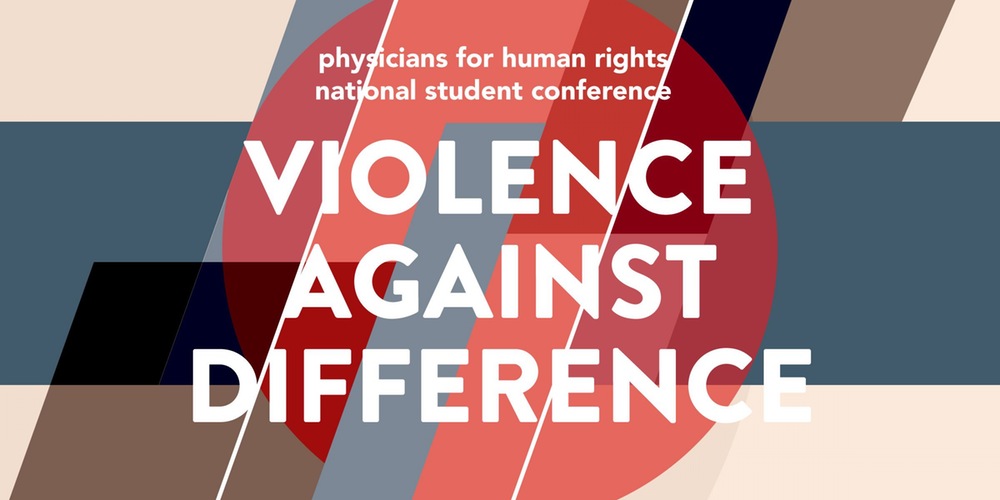
Geisel will be hosting the Physicians for Human Rights National Student Conference Nov. 4 – 5. The theme for this year’s National Conference is Violence against Difference, specifically looking at racial violence, gender violence, and violence against healthcare workers.

The Dartmouth Grant Proposal Support initiative (GrantGPS) invites you to attend the Write Winning NIH Grant Proposals seminar on Thursday, Dec. 1, 2016. This comprehensive, all-day presentation addresses both practical and conceptual aspects of writing NIH research grant applications.
Read article – Quotes Jonathan Skinner, professor of community and family medicine and of the Dartmouth Institute for Health Policy and Clinical Practice, in an article about comments made by Republican presidential candidate Donald Trump at this week’s presidential debate regarding building new hospitals. “We already have too many small hospitals with low volume, poor outcomes, and ‘hobbyist’ surgeons who do a handful of procedures per year,” says Skinner. “One thing we know is that low-volume is bad for patients.”
Read article – Cites research conducted by H. Gilbert Welch, professor of medicine, community and family medicine, and of the Dartmouth Institute for Health Policy and Clinical Practice, about why more diagnoses don’t necessarily save lives.
Read article – Quotes Margaret Karagas, chair and professor of epidemiology, and Paul Palumbo, professor of medicine and pediatrics, about how a research project—that since 2009 has been investigating how various factors such as contaminants in the environment affect the health of pregnant women and their children in New Hampshire and Vermont—will receive up to $40 million in funding over the next seven years to help lead ECHO’s research efforts.
Read article – In an article about that says applicants should look for a medical school that is supportive of students and serious about compassion, Geisel student Aaron Briggs ’19 is quoted about community service and mentions the school’s “Beyond the Books” club. This club does service projects and hosts seminars about poverty’s impact on health.
This page may link to PDF files. Use this link to download Adobe Reader if needed.