Read article – Features research led by Mary Brunette, associate professor of psychiatry, that found that abstinence-contingent incentives improved smoking cessation outcomes among economically disadvantaged smokers with mental illness receiving tobacco treatment at community mental health centers.
Articles by: Geisel Communications
Announcing the 2017-18 SYNERGY Scholars Award
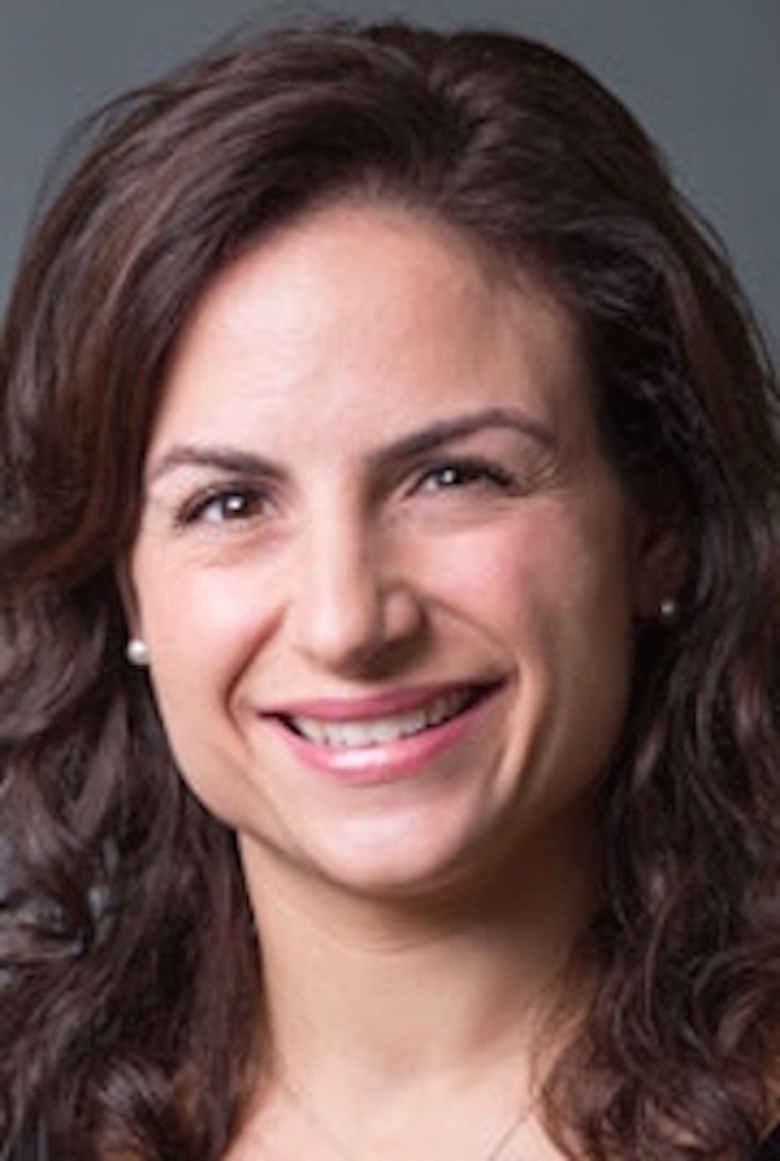 Christina Angeles, MD, assistant professor of surgery, has been selected as the recipient of the 2017-18 SYNERGY Scholars Mentored Career Development Award, funded through Dartmouth SYNERGY Clinical and Translational Science Institute.

Physicians for Human Rights Regional Student Conference
Please join us for Dartmouth’s 2018 Regional Physicians for Human Rights Conference, titled “The 50%: The Changing Arc of Women’s Rights”! The event will be held on Jan. 19th and 20th at Dartmouth’s Class of 1978 Life Sciences Center. Come join a discussion of the intersectional and reciprocal impacts of business, law, and socioeconomics on women’s rights.
5 Soft Skills Every Medical Student Needs – Student Doctor Network
Read article – An opinion piece by Cassie Kosarek, Geisel ’20, in which she shares four soft skills for medical students to cultivate in order to take better care of their patients and themselves as they navigate the complexities, frustrations, and rewards of a career in medicine.
Trump Officials, After Rejecting Obama Medicare Model, Adopt One Like It – The New York Times
Read article – Quotes Elliott Fisher, director of the Dartmouth Institute for Health Policy and Clinical Practice, and professor of medicine and of community and family medicine, in an article about how the Trump administration announced on Tuesday that it was starting a Medicare payment model very similar to the ones it canceled and curtailed last year. Fisher said the new initiative was encouraging. “The current administration would like to reverse everything associated with the Affordable Care Act and the Obama administration,” says Fisher. “But this week’s announcement shows that there is a bipartisan consensus on the need to change the way we deliver and pay for health care.”
Man Declared Dead Snores to Life Right Before His Autopsy – Live Science
Read article – Quotes James Bernat, the Louis and Ruth Frank Professor of Neuroscience and active emeritus professor of neurology and medicine, in an article about how a man in Spain who was declared dead by three doctors was actually still alive, and how there are no universal guidelines for exactly when doctors should pronounce someone dead. “You’re dead when a doctor says you’re dead,” said Bernat in a 2014 interview with Live Science.
Opioids Associated With Higher Satisfaction With Care – Medscape
Read article – Features research coauthored by Brian Sites, professor of anesthesiology and of orthopaedics, that found that prescription opioid use is associated with greater satisfaction with care among people with musculoskeletal conditions. The findings highlight the need to examine whether satisfaction is actually related to greater health benefits.
Worries About Federal Laws Block Some Potential Users of Medical Pot – Valley News
Read article – Cites comments by Gilbert Fanciullo, active emeritus professor of anesthesiology, in an article about medical marijuana in New Hampshire and Vermont and how a number of obstacles stand in the way of some who wish to use it, including the conflict between state and federal law.
Click Bait Ads Are Tied to Teen Smoking – Reuters Health
Read more – Quotes Samir Soneji, assistant professor of the Dartmouth Institute for Health Policy and Clinical Practice, about research he led that found that teens who engage with online tobacco ads are more likely to start smoking than their peers who aren’t lured by digital marketing campaigns. “One possible influence of engagement with online tobacco marketing is to make teenagers curious about and wanting to try a tobacco product,” says Soneji.
Too Many Medical Tests May Harm, Not Help, Older Patients – CNN via Kaiser Health News
Read article – Cites comments by Lisa Schwartz, professor of medicine, community and family medicine, and of the Dartmouth Institute for Health Policy and Clinical Practice, about how decades of public awareness campaigns have convinced patients that cancer screenings are essential.