Health advertorials, or advertisements camouflaged as credible news, succeed in misleading people, in part, by tamping down their skepticism and expectations for truth in advertising, a Dartmouth College-Stanford University study finds.
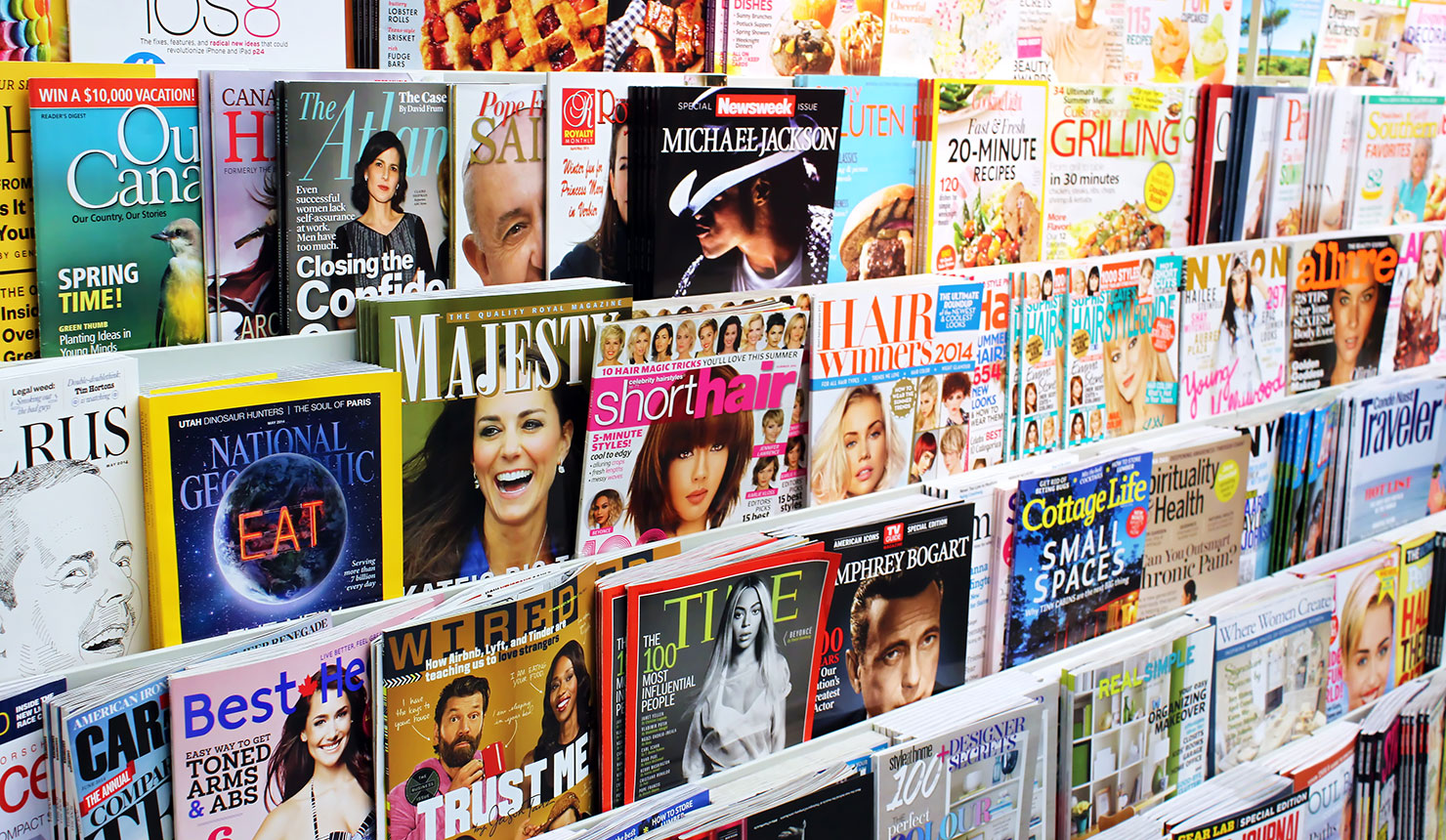
Health advertorials, or advertisements camouflaged as credible news, succeed in misleading people, in part, by tamping down their skepticism and expectations for truth in advertising, a Dartmouth College-Stanford University study finds.
Learn about recent Dartmouth Institute research on ER visits for “non-urgent” conditions, physician knowledge of the FDA-approval process, the possible overuse of CT scans in the ER, patient recording of clinical encounters, and a more patient-centered approach to statistical modeling.
Read article – Quotes Sunny Jung Kim, postdoctoral fellow at the Dartmouth Psychiatric Research Center, who co-authored a recent study on health advertorials, a form of native advertising made to look like reported content in a publication or on television, and found that they work to deceive their viewers and lower consumer awareness.
Read article – James Leiter, professor of physiology and neurobiology and of medicine, who was the lead investigator of the study that found serotonin, is quoted about a neurotransmitter in the brain, shortens periods of apnea and promotes inspiration.
Read article – Cites figures from the Dartmouth Atlas of Health Care, which showed average Medicare spending in 2012 for a Rochester, Minn., resident was $7,325, compared to the $11,239 average in Jacksonville, Fla.
Read article – Quotes Lisa Schwartz, professor of medicine, community and family medicine, and of the Dartmouth Institute for Health Policy and Clinical Practice (TDI), about how she and colleague Steven Woloshin, professor of medicine, community and family medicine, and of TDI, reviewed the studies that weight loss drug Contrave’s manufacturer, Orexigen Therapetutics, used to gain approval of the drug from the Food and Drug Administration. “The studies show that Contrave caused many people to feel sick,” says Schwartz.
Read article – Feature article about Ana Rodriguez-Villa, a second year Geisel student, and Brendin Beaulieu-Jones, ’13, also a second-year med student at Geisel, who co-founded the group Bridges, a peer support group for LGBT teens, last April as part of the Albert Schweitzer Fellowship. As Schweitzer fellows, Rodriguez-Villa and Beaulieu-Jones have developed a curriculum for training first- and second-year medical students to work with LGBT individuals in a clinical setting.
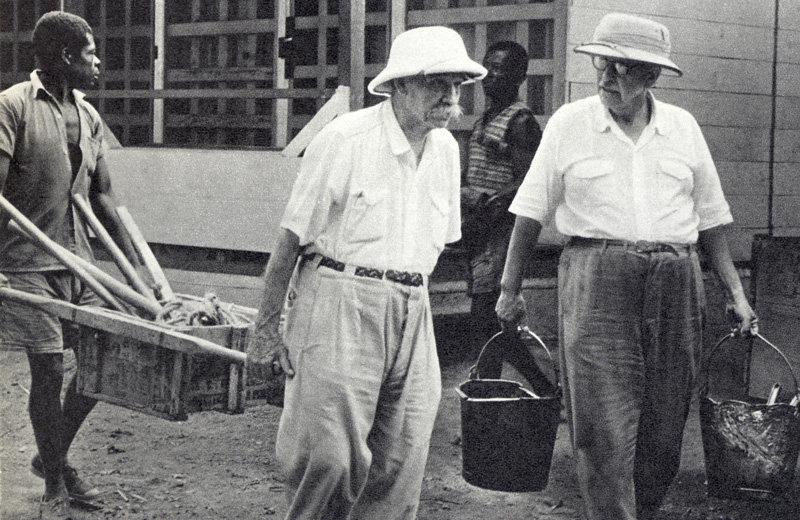
Ten first-year medical students at the Geisel School of Medicine at Dartmouth have been selected as 2016-17 New Hampshire/Vermont Schweitzer Fellows by the Albert Schweitzer Fellowship.
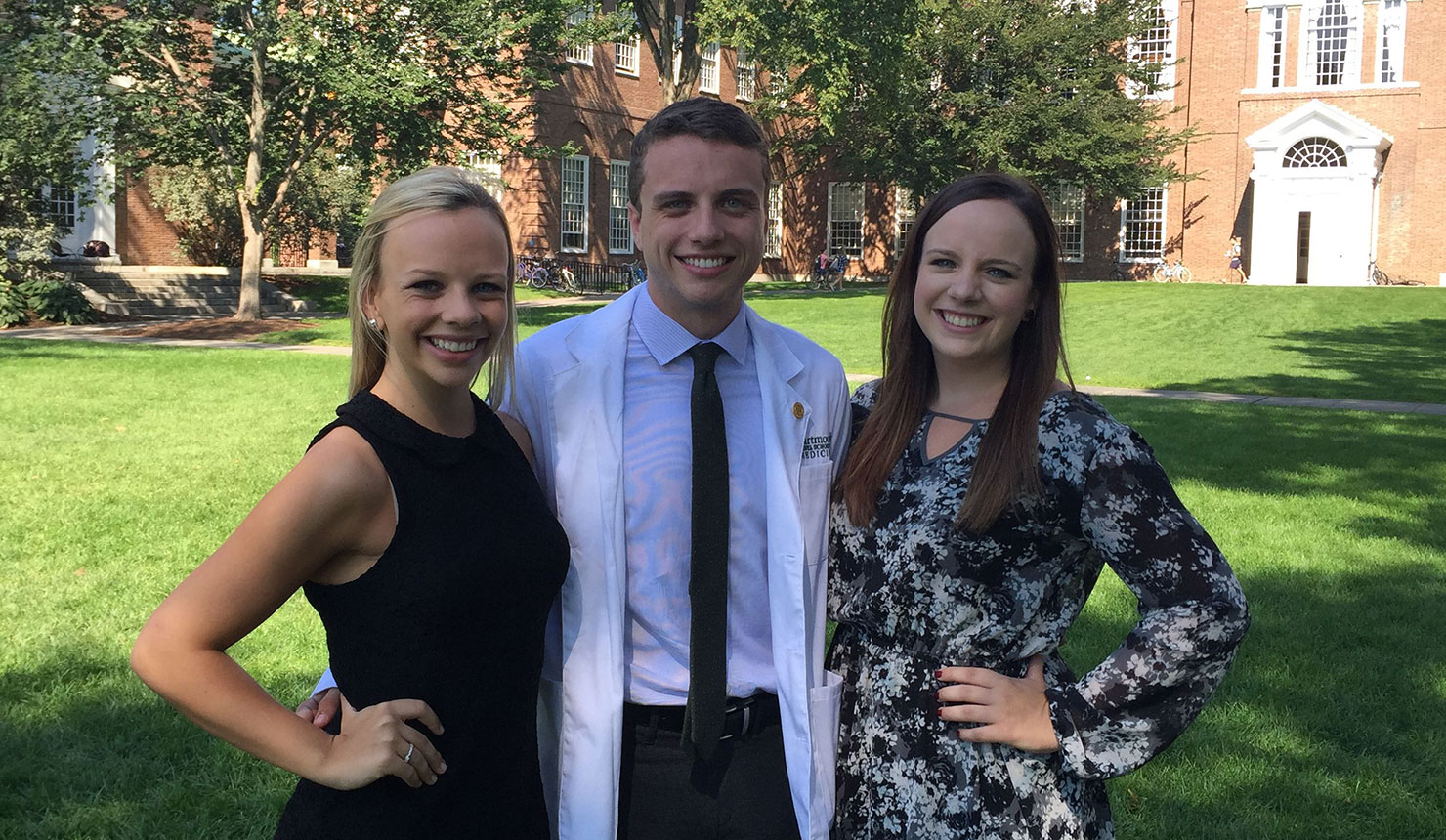
Motivated by the lack of healthcare in the poor Chicago community where Kevin Doré ’19 taught junior high school science, he decided to become a doctor in order to change both educational opportunities and healthcare for the poor.
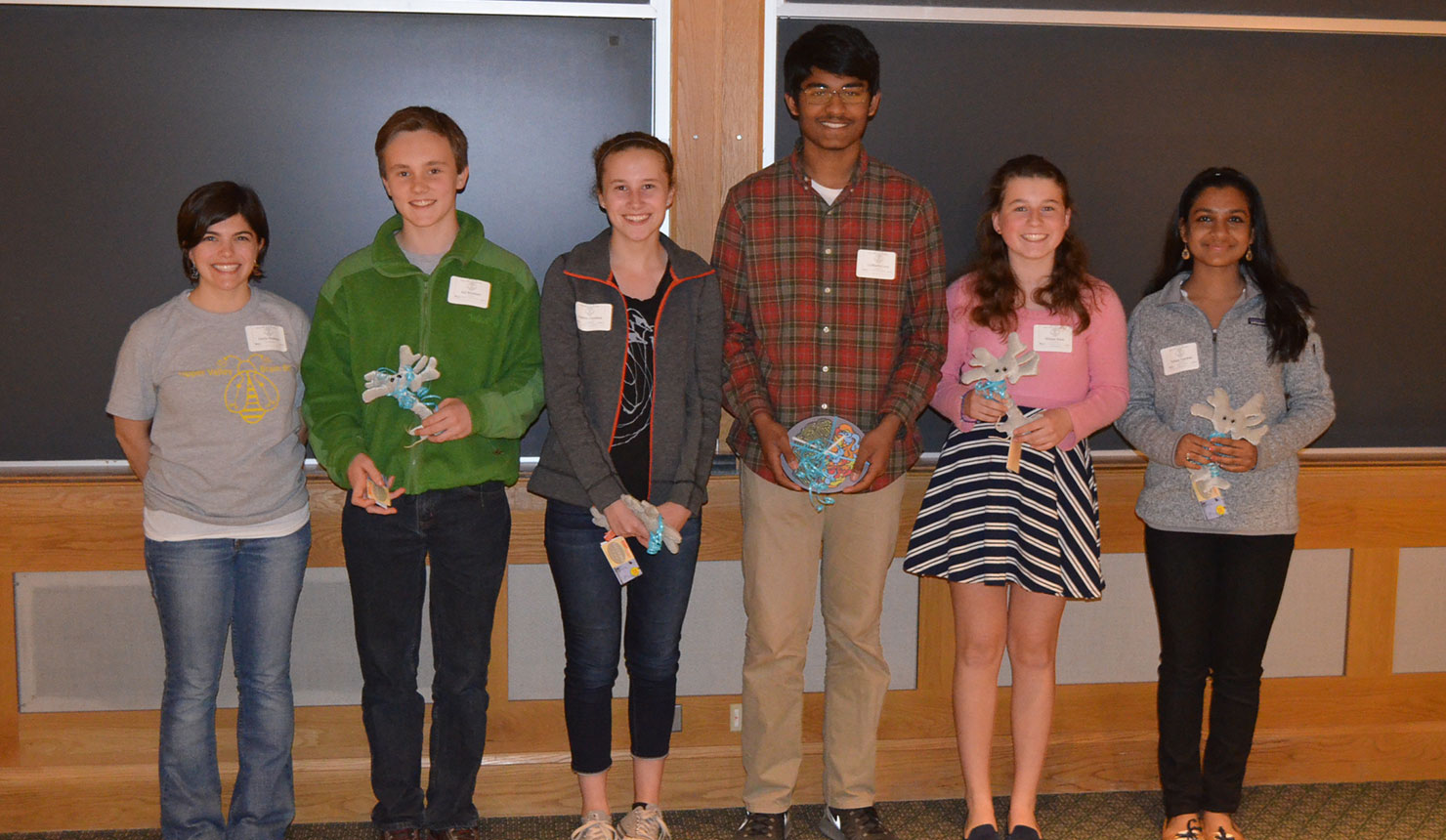
A record 30 students from 10 schools competed in the fourth annual Upper Valley Brain Bee, held recently at Dartmouth’s Moore Hall. The event offered a friendly neuroscience competition, as well as a popular interactive neuroscience fair.
This page may link to PDF files. Use this link to download Adobe Reader if needed.