Livescience – Cites a study conducted by researchers at the Geisel School of Medicine and Carnegie Mellon University, which found that the U.S. Food and Drug Administration should avoid using words like “breakthrough” and “promising” to describe new drugs when making announcements aimed at the public because it does not necessarily mean that a drug is effective or that it will help patients live longer.
Archive for 2015
Patient-Reported Data Can Help People Make Better Health Care Choices
Harvard Business Review – An opinion piece co-authored by William Weeks, professor of psychiatry, community and family medicine, and of the Dartmouth Institute for Health Policy and Clinical Practice; and James Weinstein, professor of orthopaedics, community and family medicine, and the Dartmouth Institute for Health Policy and Clinical Practice, on the value of the development of tools that will allow patients to self-report outcomes data in real time to help other patients anticipate their own course of treatment.
Facebook’s Restrictions on User Data Cast a Long Shadow
The Wall Street Journal – Cites research by Benjamin Crosier, a postdoctoral fellow in the department of psychiatry, in an article about how Facebook’s restrictions on its user data are rippling through academia, business and presidential politics. Crosier was building an app to look for links between social-media activity and drug addiction, and Facebook’s restrictions on data halted his research. Crosier is petitioning the company to get some of that data back and hopes to salvage his project by asking Facebook for access to eight types of data, including photos in which a user is tagged. He hopes to reconstruct a person’s friend network by seeing who they socialize with through their photos. Dr. Crosier says he won’t be able to see the images themselves, just that a user was tagged and by whom.
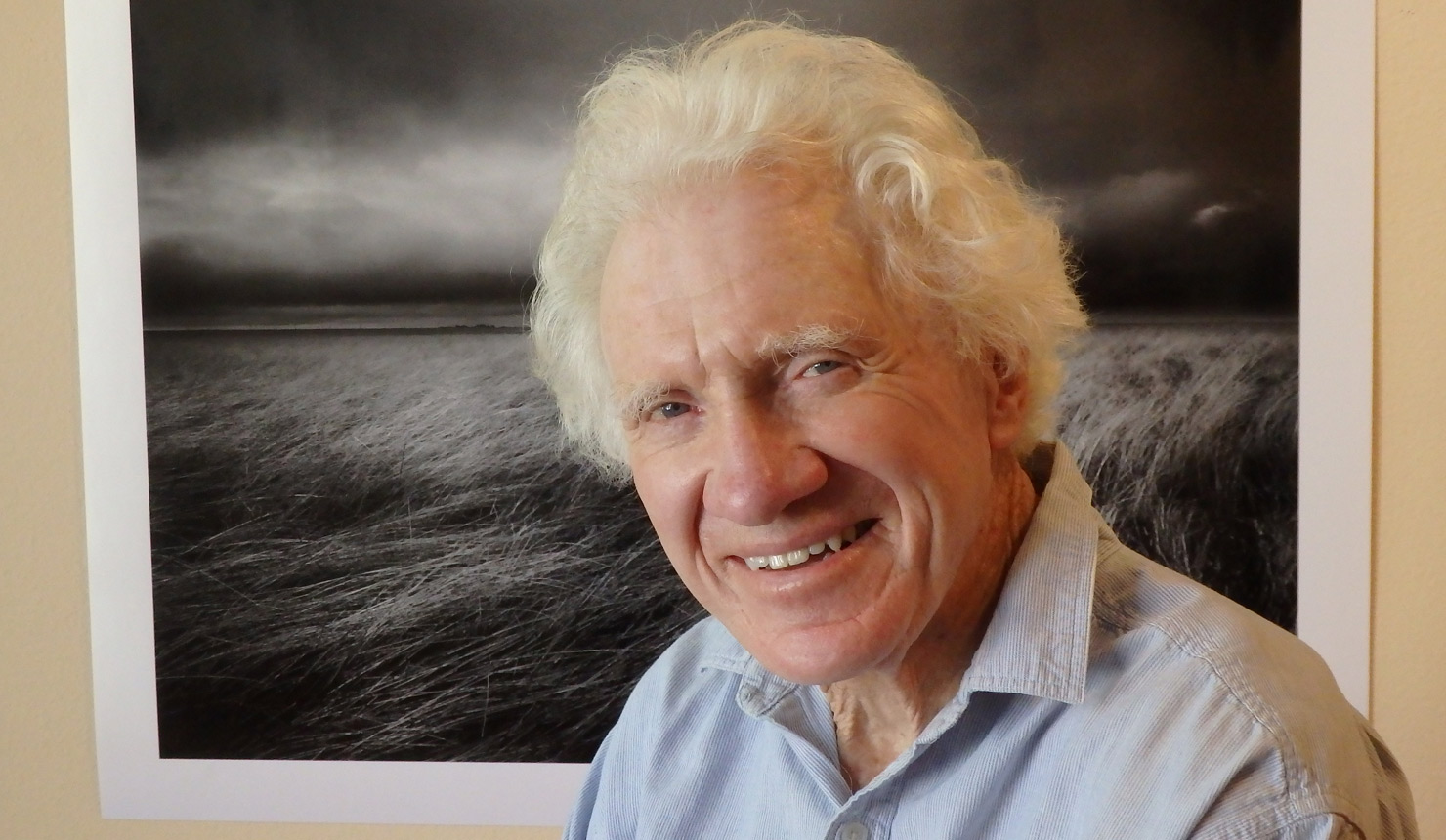
Gut Instincts: Giving Back to Where It All Began
Charles Hamlin ’65 doesn’t believe in fate, but his path to becoming a hand surgeon is full of interesting karma, including his choice to come Dartmouth Medical School. Or as he likes to point out: “Dartmouth’s willingness to take a chance and choose me.”
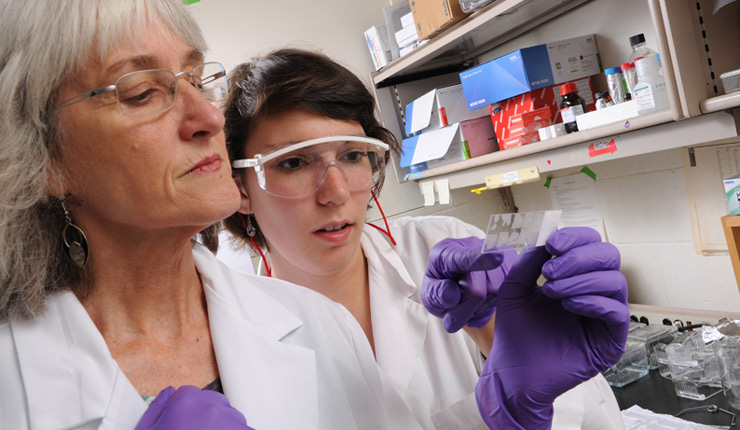
Dartmouth’s NH-INBRE Program Receives $18.1M to Expand Biomedical Research and Training in New Hampshire
The Dartmouth-led NH-INBRE program—a statewide collaborative partnership of two- and four-year colleges—has received a five-year $18.1 million grant from the National Institutes of Health to continue a successful program aimed at expanding biomedical research capacity and training in New Hampshire.

Dartmouth Researchers Create Tools Designed to Make Birth Control Decisions Easier for Women
Researchers at The Dartmouth Institute for Health Policy and Clinical Practice are working to help women make informed choices about contraception through a project called, “Right For Me: Birth control decisions made easier.”

Geisel Receives $5 million NIH Grant to Study Motivation and Behavior Change to Improve Health
The Center for Technology and Behavioral Health has been awarded a $5 million grant from the National Institutes of Health to study the mechanisms—psychological or biological—that underpin motivation, with an eye to developing better strategies that can help all of us improve our health.
Joseph Smith Miracle Scholarship
Deseret News – Quotes Interim Dean of the Geisel School of Medicine Duane Compton in continued coverage of the creation of a $25,000 scholarship by the Descendants of Joseph Smith, founder of the Mormon Church, to honor the pioneering surgery that Dartmouth’s Dr. Nathan Smith performed on Joseph Smith two centuries ago.
Can Surfing Reprogram the Veteran’s Brain?
Outside – Quotes Paula Schnurr, professor of psychiatry at the Geisel School of Medicine and executive director of the Veterans Affairs National Center for Post-Traumatic Stress Disorder (PTSD), in an article discussing how the physicality and flow of surfing can give victims of PTSD some relief, and how PTSD has been linked to changes in the neurocircuitry and neurotransmitters that balance the retrieval of memories. “People have profound changes in how they think of themselves in the world,” says Schnurr.
Diet Detective: How Much Do You Need to Drink and All Your Other ‘Water’ Questions Answered
Ames Tribune – Continued coverage of research by Heinz Valtin, professor of physiology and neurobiology emeritus, which looked at sources of daily hydration and the theory of drinking eight glasses of water a day.