Healio – Features video footage of Craig Donnelly, professor of psychiatry and pediatrics, who discusses current evidence concerning attention-deficit/hyperactivity disorder in young children, as well as the different psycho-social and pharmacological approaches for treatment.
Archive for 2015
At the Hospitals: Gift Honors Surgery That Saved Religious Leader’s Leg
Valley News – Descendants of Joseph Smith, founder of the Mormon Church, have created a $25,000 scholarship at the Geisel School of Medicine to honor and give thanks for a pioneering surgery that Dartmouth’s Dr. Nathan Smith performed on Joseph Smith two centuries ago.
Helping a Suicide When the End Isn’t Near
The New York Times – Ira Byock, professor of medicine and community and family medicine emeritus, participates in The New York Times’ opinion section “Room for Debate,” discussing how some nations are permitting people with serious, nonfatal health problems—even severe depression—to commit suicide with help from a physician.

The Dartmouth Institute’s MPH Class of 2016 Includes Soldiers, Nature-Lovers and Nonprofit Leaders
Although members of the MPH Class of 2016 have very different backgrounds, they all share a common interest in improving health care delivery and in using research to change how people experience health care on a broad-based level.
E-Cigarettes & Vaping: Healthy Alternative or Worrisome Trend?
NHPR – As a guest on NHPR’s “The Exchange,” Susanne Tanski, associate professor of pediatrics, discusses recent research that raises questions about the rising use of e-cigarrettes by teenagers despite claims that they are healthier than traditional smoking.
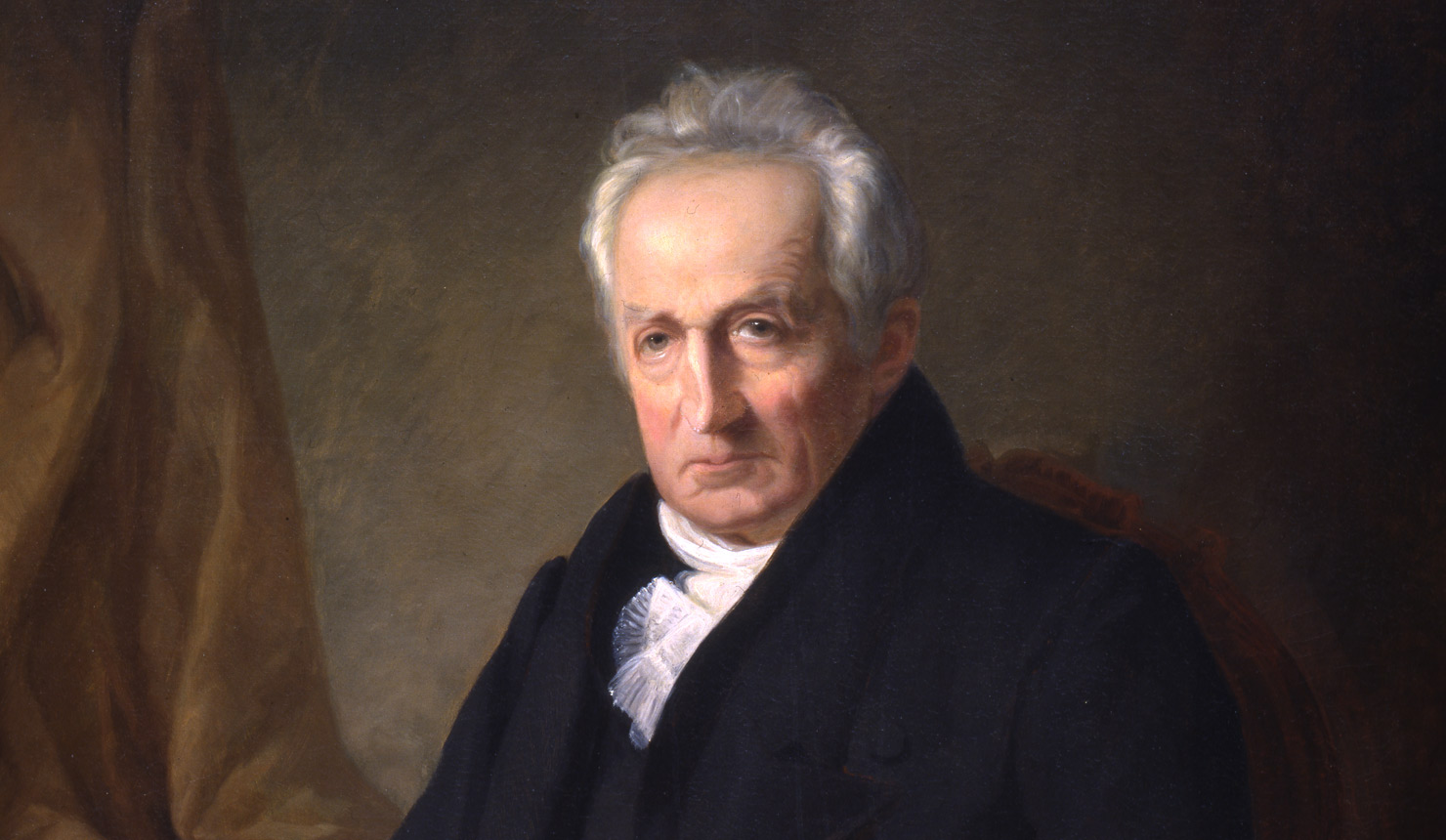
Gift Honors Surgery that Saved Joseph Smith’s Leg
Descendants of Joseph Smith, founder of the Mormon Church, have created a scholarship at the Geisel School of Medicine to honor and give thanks for a pioneering surgery that Dartmouth’s Dr. Nathan Smith performed on young Joseph.
E-Cigarettes May Be a Gateway to Marlboros
Esquire – Continued coverage on the recent study conducted by Dartmouth and the University of Pittsburgh, which found that young people who try e-cigarettes are much more likely to start smoking. The researchers evaluated 694 people between the ages of 16 and 26 who had never previously smoked cigarettes. Additionally, all participants—54 percent of whom were female, and 76 percent of whom were white—were determined to be “attitudinally nonsusceptible” to smoking because they responded “definitely no” when asked if they would try a cigarette offered by a friend or if they would smoke within the next year.
Young E-cigarette Users Often Switch to Tobacco Smoking, Study Finds (Audio)
VPR – Continued coverage on comments by Samir Soneji on the study that found young people who use e-cigarettes are very likely to move on to smoking real tobacco products. Soneji speculates that e-cigarettes, which deliver nicotine slowly, tempt novices to try it in a user-friendly form. “So a 17-year old kid who has never used cigarettes before might use e-cigarettes and it might allow him to become more tolerant of the side effects of nicotine using e-cigarettes and then unfortunately if addiction happens he might switch to traditional cigarettes,” says Soneji.
Study: Teens Using E-Cigs Much More Likely to Start Smoking Cigarettes
The Washington Post – Quotes Samir Soneji, assistant professor of the Dartmouth Institute for Health Policy and Clinical Practice, on the new study that reports young people who use e-cigarettes are much more likely to become smokers than those who don’t. Researchers said one limitation of the study was the relatively small number in the sample size and that the findings need to be replicated with larger samples. Even so, after controlling for well-known risk factors, such as age, sex, socioeconomic status and risk-taking, “we think the effect is real,” says Soneji.
Trying E-Cigarettes May Lead to Smoking, Study Suggests
U.S. News & World Report via HealthDay News – Quotes James Sargent, professor of pediatrics and community and family medicine, and senior author of a new study that reports young people who use e-cigarettes are much more likely to become smokers than those who don’t. “The real concern is that if it does indeed move these adolescents in the direction of smoking cigarettes, it’s going to turn around the two-decade-long decline in teen smoking that we’ve seen,” says Sargent. “The government needs to get off the pot on this. They need to act.”