Associated Press via The Washington Times – Paula Schnurr, research professor of psychiatry at Geisel, has been named executive director of the Department of Veterans Affairs’ National Center for Posttraumatic Stress Disorder in White River Junction, VT. Schnurr has served as the center’s acting director since 2013.
Articles by: Geisel Communications
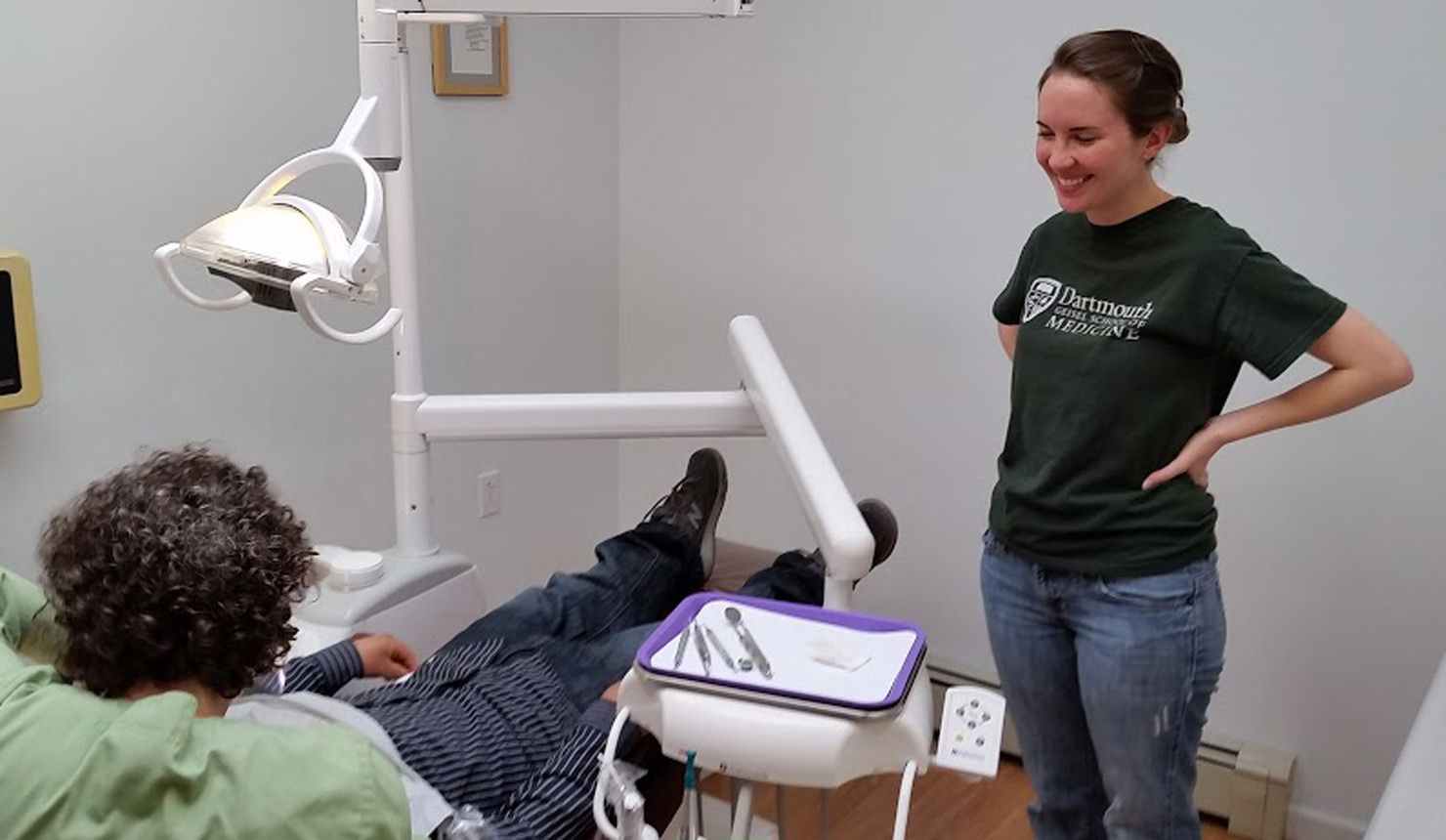
Bright and Shiny MOLAARS: Dental Cleanings and Screenings for Migrant Farm Workers
June 4, 2015 was a big day for the Migrant Health Project at Dartmouth’s Geisel School of Medicine. In seven hours, four first-year medical students and a pre-medical volunteer coordinated 12 dental cleaning and screening appointments for migrant farm workers at Barton Street Dental in Bradford, VT.
A Life: Margo Krasnoff, 1957 — 2015: ‘She Was So Genuine in All of Her Interactions’
Valley News – A feature article remembering the life of Geisel School of Medicine faculty member and alumna Margo Krasnoff, who died in January 2015. The article quotes John Butterly, professor of medicine and of the Dartmouth Institute for Health Policy and Clinical Practice at Geisel; Lisa Adams, associate dean for global health, and many more on Krasnoff’s lasting impact on the Dartmouth community.
Here’s Why You Can Skip the New Insomnia Drug, Belsomra
Consumer Reports – Steven Woloshin and Lisa Schwartz, both professors of medicine, community and family medicine, and of the Dartmouth Institute for Health Policy and Clinical Practice at Geisel, were commissioned to review the research and prepare a Drug Facts Box for Belsomra. Their analysis showed that the small improvements in sleep provided by the drug didn’t help people feel more refreshed. Instead, more people who took Belsomra felt drowsy the next day compared with those who took a placebo.
Making Cruel Unusual
The Economist – This article cites research by Dror Ben-Zeev, assistant professor of psychiatry, on the incorporation of technology into the treatment of mental illness.
Which Trendy Diets Actually Work?
Fox News – Cites research conducted at the Geisel School of Medicine on the Ketogenic Diet, which was developed for children suffering with epilepsy as a way to manage their seizures. The researchers found that that even though the diet reduces the frequency of seizures in children, it may result in long-term memory trouble and poor quality brain growth.
Why So Much Of The Health Care We Deliver Is Unnecessary – And What We Can Do About It
Forbes – Cites data from the Dartmouth Atlas, which notes that six percent of cancer patients receive chemotherapy in the last two weeks of their lives while the American Society of Clinical Oncology (ASCO) points out that chemotherapy given in the last month of life has “little or no benefit to patients.”
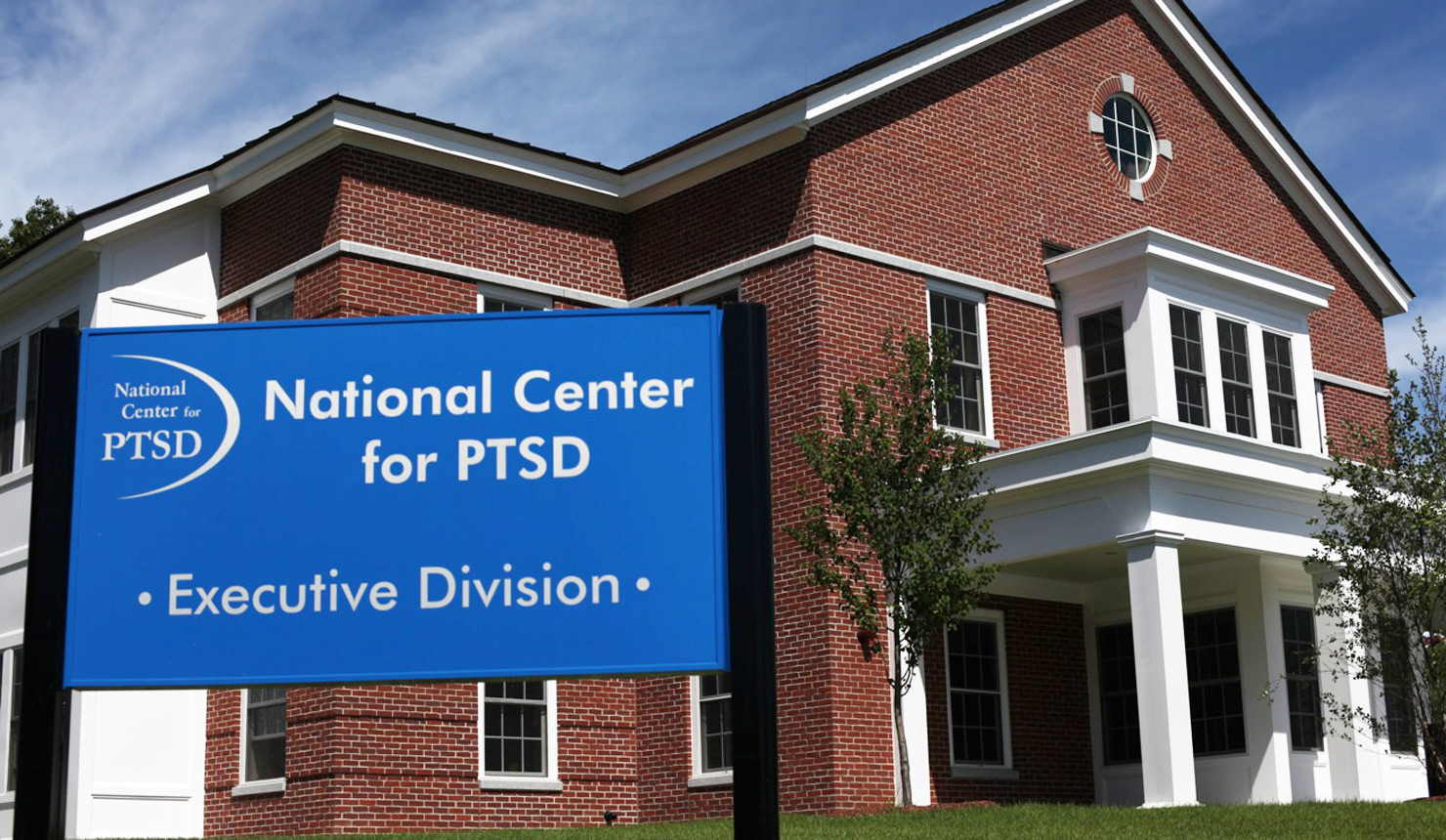
Paula Schnurr Named Executive Director of VA’s National Center for PTSD
Paula Schnurr, PhD, Research Professor of Psychiatry at the Geisel School of Medicine at Dartmouth, has been named Executive Director of the Department of Veterans Affairs’ National Center for Posttraumatic Stress Disorder (PTSD).
Pregnant and Hooked: How One Program Helps Heroin Addicts
NBC Nightly News – News that rates of heroin use doubled among women over the past decade doesn’t surprise Shea, who’s 26 and pregnant. She’s also a newly clean addict. It also doesn’t surprise the staff at the Dartmouth-Hitchcock Perinatal Addiction Treatment program in New Hampshire, where Shea got help to reduce the odds of giving birth to an addicted baby.
Mammography Screenings Lead to More Diagnosis of Breast Cancer, Says Study
The American Bazaar – Continued coverage on the findings of researchers from Harvard and Dartmouth, which observed mammography screening data from 16 million women in 547 U.S. counties in 2000 via the National Cancer Institute’s Surveillance, Epidemiology, and End Results registry, and determined that screenings have led to the overdiagnosis of breast cancer.