USA Today – Quotes Susanne Tanski, associate professor of pediatrics, about Congress’ recent passing of legislation to require child-resistant packaging for the liquids that give e-cigarette both their kick and their flavor. “This is a really important piece of common-sense legislation,” says Tanski. “Nicotine is quite a powerful drug that has complex effects on the body, including the brain and the whole nervous system.”
Articles by: Geisel Communications
Virtual Reality Could Provide Healthy Escape for Homesick Astronauts
VICE – Continued coverage of comments by Jay Buckey, professor of medicine and adjunct professor of engineering, who is leading a team deep into the Arctic to test whether exposure to nature through virtual reality can help improve mood and stress levels. “Being in an environment like that where you’re in a small, confined space with a very small group of people means that challenges are just going to inevitably arise,” says Buckey.
Illumina Creating Company to Develop Early-Stage Cancer Detection Test
The New York Times – Quotes H. Gilbert Welch, professor of medicine, community and family medicine, and of The Dartmouth Institute for Health Policy and Clinical Practice, about whether some forms of cancer screening, like PSA testing for prostate cancer or mammography, are even advisable.
Follow-Up of Screening Results Vary Between Breast, Cervical, and Colorectal Cancers
Oncology Nurse Advisor – Article quotes Anna Tosteson, professor of medicine, community and family medicine, and of The Dartmouth Institute for Health Policy and Clinical Practice, and lead author of a recent study that found follow-up appointments for patients whose screening examinations showed abnormal findings occurred faster for findings of breast cancer than for colorectal and cervical cancers.
Why Doctors Shouldn’t Be Punished for Giving Prostate Tests
The New York Times – An opinion piece co-authored by H. Gilbert Welch, professor of medicine, community and family medicine, and of The Dartmouth Institute for Health Policy and Clinical Practice, about how he hopes that Medicare chooses not to pursue a strategy of penalizing doctors for ordering prostate-specific antigen, or PSA, tests.
Plant Virus Shows Potential as a Cancer Treatment
Mental Floss – Continued coverage of comments by Steven Fiering, professor of microbiology and immunology and genetics, who led research with colleagues from Case Western University that found that exposure to tiny pieces of cowpea mosaic virus shell can prompt the immune system to begin attacking tumors.
Biased DTC Ads Raise Fresh Concern Among Physicians
OncLive – Cites research conducted by Lisa Schwartz and Steven Woloshin, both professors of medicine, community and family medicine, and of The Dartmouth Institute for Health Policy and Clinical Practice, to develop drug fact boxes for advertisements and prescription information that would provide more comprehensive data for use in interpreting the value of various medications.
The Problem With Sleeping Pills
Consumer Reports – Quotes Lisa Schwartz, professor of medicine, community and family medicine, and of The Dartmouth Institute for Health Policy and Clinical Practice, about how the risks of drugs to treat sleep problems may outweigh the benefits.
Should Genetic Counseling Include Informing Patients About Actionable Variants, Incidental Findings?
Medical Daily – Quotes William Gregory Feero, assistant professor of community and family medicine, from an editorial about a recent study conducted by researchers at Vanderbilt University Medical Center that revealed patients with genetic variations presumed to cause cardiac disorders often did not have any symptoms or signs of a heart condition.
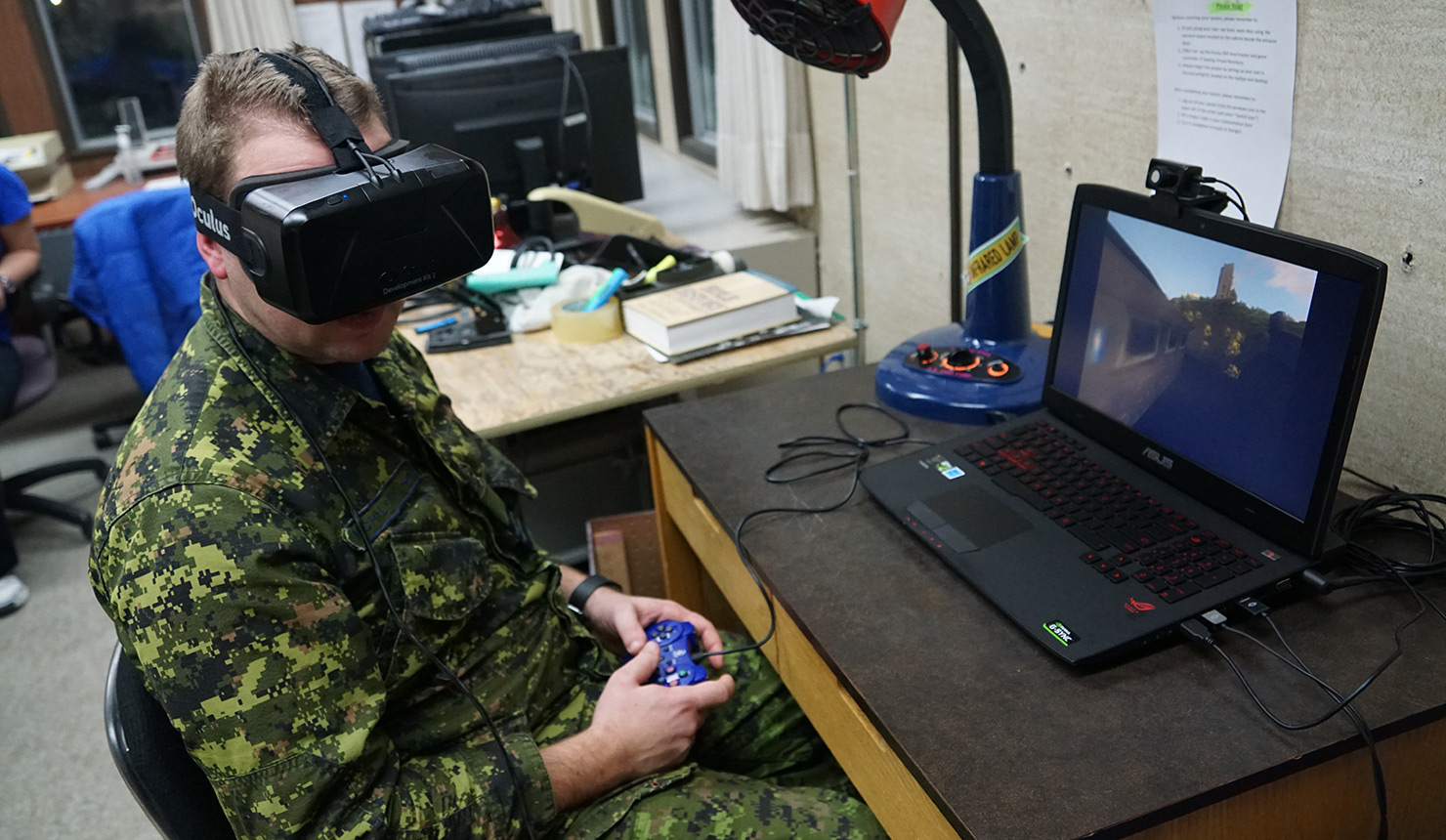
To Sustain Astronauts’ Mental Health, Dartmouth-Led Team Testing New Virtual Reality Tech in Arctic Isolation
Dartmouth physician and former astronaut Jay Buckey, MD is leading a team of international investigators testing new virtual reality technology in the Arctic this winter. Their goal is to see whether simulated natural beauty can relieve the psychological challenges of living in the isolated confines of deep space travel.