Read article – Nicholas Jacobson, PhD, an associate professor of biomedical data science and psychiatry, talks about kids’ use of therapy chatbots and provides tips for parents to assess these tools. “For many children, communicating via technology is more natural than face-to-face conversations, especially about sensitive topics,” Jacobson said.
Articles by: Geisel Communications
At Dartmouth, Fluorescence Tags Cancer Cells for Surgical Removal — New Hampshire Union Leader
Read artilce – A feature story about new research co-authored by Eric Henderson, an adjunct associate professor of engineering and an associate professor of orthopaedic surgery, and Samuel Streeter, an assistant professor of orthopaedics, who discovered a new fluorescent molecule that makes cancer cells “glow” during surgery. “Visually highlighting soft-tissue cancers so that they can be removed more reliably will lead to higher cure rates,” Henderson said. (Picked up by Yahoo! News.)
Opinion | Counterfire — The Washington Post
Read article – Keith Loud, MD, chair and associate professor of pediatrics, writes a letter to the editor providing more context about the threat of firearms to children in the U.S. “The Ad Council’s #AgreeToAgree campaign, of which my children’s hospital is a sponsor, aims to raise awareness that, like motor vehicle accidents, firearms are a leading cause of death and injury in youths. And like motor vehicle accidents, harm from firearms can be prevented with common-sense, nonpartisan solutions,” Loud said.
U.S. Rice Contains Most Arsenic, Indian Basmati Among Safest, Finds Study — Business Standard
Read article – Continued coverage of comments by Margaret Karagas, PhD, chair and professor of epidemiology, in an article about arsenic levels in rice. Karagas states that arsenic levels are most concerning for young children and pregnant women, but there are ways to reduce exposure.
Optic Neuropathy and Other Hidden Ocular Risks of GLP-1 RA Weight Loss Drugs — Neurology Advisor
Read article – Frida Velcani, MED ’26, Tuck ’26, and Shivesh Shah ’19, MED, co-author an opinion piece about potential complications with prescribing GLP-1 RA weight loss drugs. (Originally appeared in Ophthalmology Advisor.)

Geisel Faculty Members and Dartmouth Health Executive Graduate from Distinguished Executive Leadership in Academic Medicine Program
The acheivements of the graduates underscore Geisel’s commitment to advancing faculty and healthcare leaders in academic medicine and health system leadership
Should I Be Worried About Arsenic in Rice? — The New York Times
Read article – Margaret Karagas, PhD, chair and professor of epidemiology, is featured in an article about arsenic levels in rice. Karagas states that arsenic levels are most concerning for young children and pregnant people, but there are ways to reduce exposure.
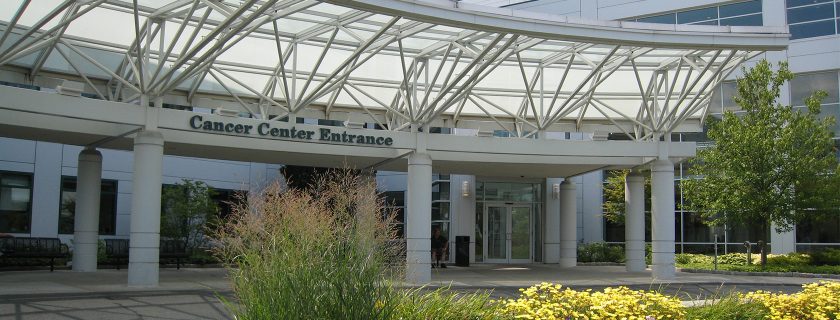
Dartmouth Cancer Center’s Federal Comprehensive Cancer Center Designation Renewed Through 2029
Dartmouth Cancer Center was recently re-designated as a Comprehensive Cancer Center by the National Cancer Institute (NCI). A division of the National Institutes of Health, NCI bestows the Comprehensive Cancer Center designation to less than 60 of the 3,500 cancer centers nationwide.
How Dartmouth Health Built AI to Respond to Patients — Becker’s Health IT
Read article – Tim Burdick, MD, an associate professor of community and family medicine, is quoted in a news brief on how he and colleagues developed PortalPal, which uses AI to triage incoming messages and generate follow-up questions for patients. (Picked up by RamaOn Healthcare.)
NeuroVoices: Stewart Tepper, MD, on Understanding Newly Approved STS101 for Acute Migraine (Audio) — NeurologyLive
Listen to story – Features Stewart Tepper, MD, a clinical professor of neurology, in an interview about the approval of STS101, a nasal powder agent, as a new treatment for patients with acute migraine.