Read article – Quotes H. Gilbert Welch, professor of medicine and of the Dartmouth Institute for Health Policy and Clinical Practice, and professor of economics, in an article about the New York State legislature’s passing of a bill mandating that insurers pay for tomosynthesis, also known as 3-D mammography.
Articles by: Geisel Communications
The Neonatal ICU Gets a Makeover – The Wall Street Journal
Read article – An article about how hospitals are changing the way they care for premature babies quotes William Edwards, professor of pediatrics. “In the U.S., we are at the beginning of a trend in innovative care for preterm infants that focuses on a shift to models that are already standard in other countries, with the goal of maximizing brain development for babies who have left the womb early,” said Edwards.
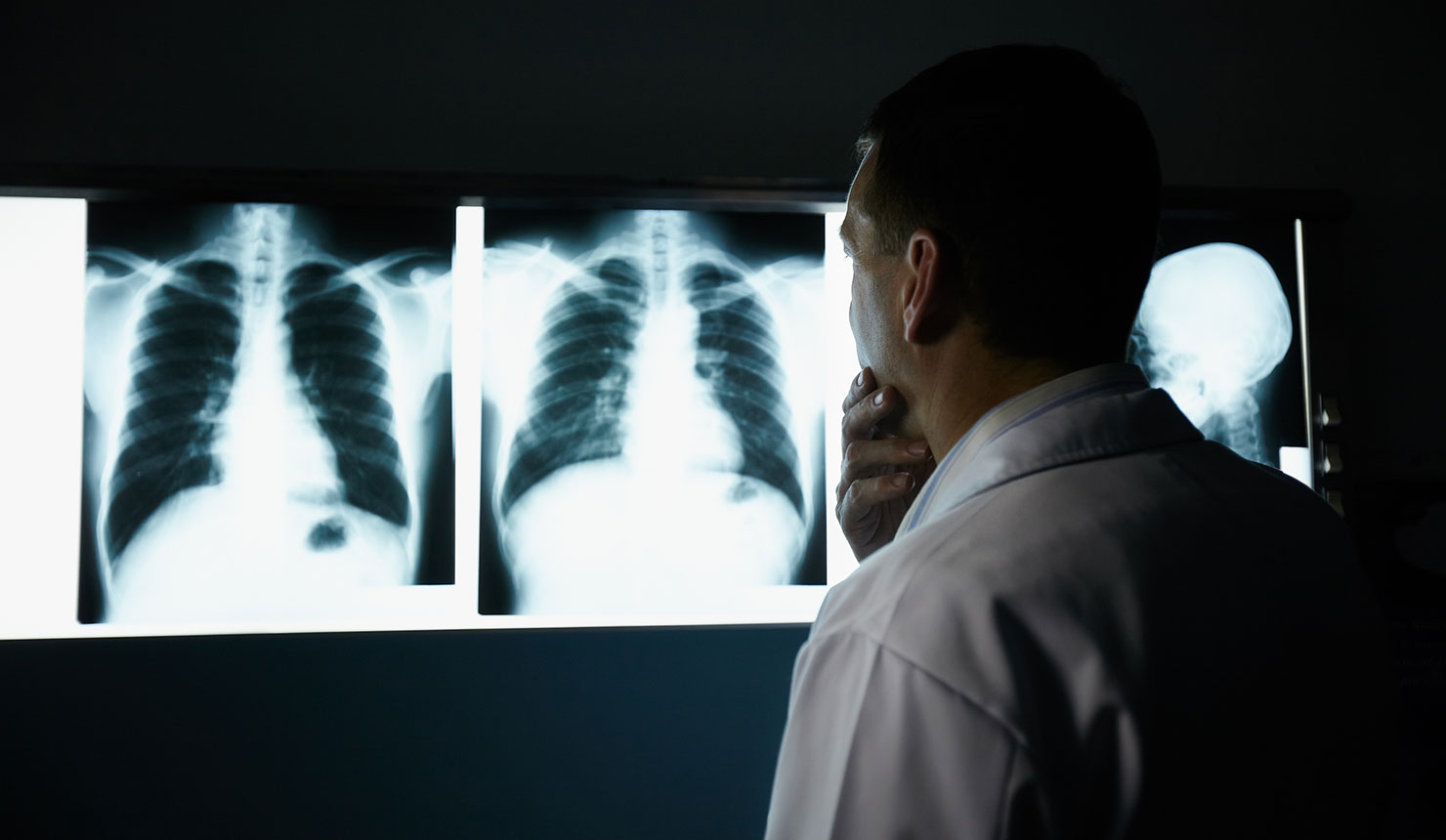
Largest Genome-Wide Study of Lung Cancer Susceptibility Identifies New Causes
Large study co-led by Geisel professor Christopher Amos, PhD, identified several new variants for lung cancer risk that will translate into improved understanding of the mechanisms involved in lung cancer risk.
Dartmouth Research: Communal Meals Key to Senior Health – WCAX
Read article – A piece regarding recent research from the College finds communal meals have health benefits for senior citizens. They increase mobility, add to food security and provide time for a concerned adult to see how seniors are feeling. The programs also decrease loneliness which can lead to depression. “Depression cannot only lead to things like increased pain, [and] increased anxiety, but overall it will exacerbate other comorbidities that so many older adults have,” said Ellen Flaherty, codirector of the Dartmouth Centers for Health & Aging, assistant professor of medicine, and assistant professor of The Dartmouth Institute.
Too Much Medical Care: Bad for You, Bad for Health Care Systems – STAT
Read article – An opinion piece by H. Gilbert Welch, professor of medicine and of the Dartmouth Institute for Health Policy and Clinical Practice, and professor of economics and adjunct professor of business administration, where he discusses a recent study he conducted that found one group of Americans—the affluent—were at particularly high risk for being diagnosed with four cancers that are less likely to affect health: breast cancer, prostate cancer, thyroid cancer, and melanoma. “Don’t make the mistake of thinking the affluent are genuinely at higher risk for these cancers. They aren’t,” says Welch. “Their death rates from these cancers are similar to everybody else’s. Instead, they are at higher risk of being overdiagnosed because they are so thoroughly examined.”
Despite Options, Many Cancer Patients Are Left in the Dark – CNN via Kaiser Health News
Read article – Continued coverage of data from the Dartmouth Atlas of Healthcare that found nearly one-third of cancer patients end up in the intensive care unit, or ICU, in the last month of life.
Why Cancer Patients Don’t Have Enough Information to Make Decisions About Their Treatments – PBS
Read article – Continued coverage of data from the Dartmouth Atlas of Healthcare that found nearly one-third of cancer patients end up in the intensive care unit, or ICU, in the last month of life.
Dartmouth Health Economist Carrie Colla Named 2017-2018 RWJF Health Policy Fellow
Carrie Colla, an associate professor at The Dartmouth Institute for Health Policy and Clinical Practice, has been chosen to participate in the 2017-2018 Robert Wood Johnson Foundation Health Policy Fellows program.
Aging Population, Retiring Professionals Stress Health Care – U.S. News & World Report
Read article – Quotes Julie Bynum, associate professor of medicine and of the Dartmouth Institute for Health Policy and Clinical Practice, who challenged the notion that finite health care resources should drive how health care is delivered to baby boomers as more of them enter their twilight years. “We can scapegoat the population change, but we can also change the way we deliver health care,” says Bynum. “We should think about what we’re delivering and how much return there is for people getting care.”
‘How Long Have I Got?’: Why Many Cancer Patients Don’t Have Answers – USA Today
Read article – Cites data from the Dartmouth Atlas of Healthcare that found nearly one-third of cancer patients end up in the intensive care unit, or ICU, in the last month of life.