Read article – An opinion piece by Lisa Adams, associate dean of Global Health and associate professor of medicine and community and family medicine, about how more students are seeking opportunities overseas, primarily in low-income countries where they aspire to make a difference, and how there is potential for significant damage if students are not well-prepared for global health experiences. “Of course, we do our best to ensure our students become familiar with (if they are not already) the community they will be working with, be active listeners and exhibit cultural humility, not make promises they can’t keep, and clarify their roles as students,” says Adams.
Archive for 2016
How Telemedicine Saved One VA Hospital $64K a Year – mHealthIntelligence
Read article – Features a study conducted by Ryan McCool, assistant professor of surgery, and Louise Davies, associate professor of surgery and of The Dartmouth Institute for Health Policy and Clinical Practice, with researchers from Dartmouth-Hitchcock Medical Center and the White River Junction Veterans Affair hospital that found that telemedicine programs saved veterans an average of 142 minutes and 145 miles per healthcare visit between 2005 and 2013.
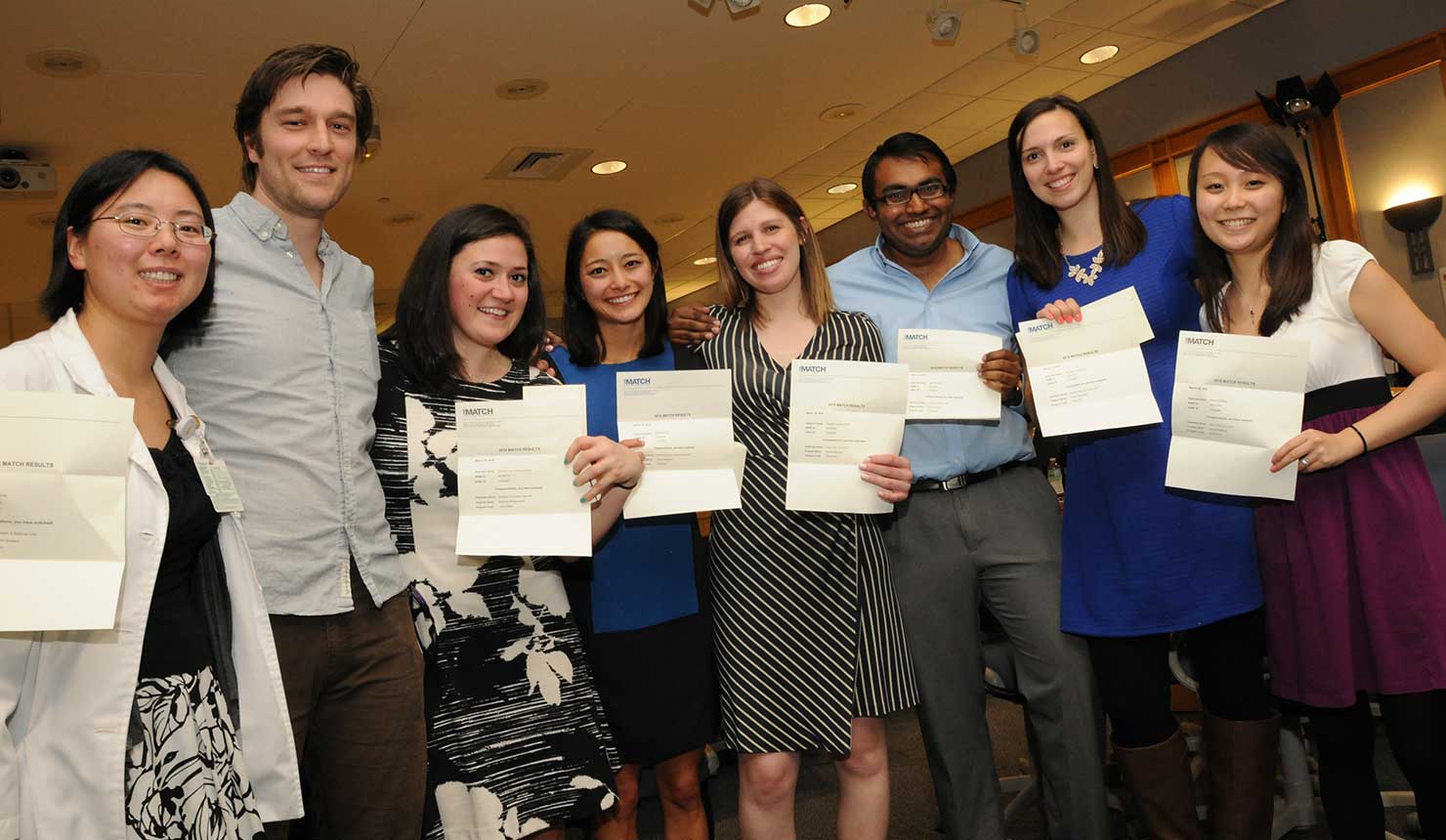
Geisel Students Find Their “Match”
Spirits were high as graduating medical students and their friends and family gathered to celebrate Match Day 2016.
The FDA Wants to Know How Well Older People Understand TV Drug Ads – Stat News
Read article – Cites a 2004 study published in Health Affairs by Steven Woloshin and Lisa Schwartz, both professors of medicine, community and family medicine, and of The Dartmouth Institute for Health Policy and Clinical Practice, about what information in drug ads is useful to consumers.
Biden Brings Cancer ‘Moonshot’ Talks to Fred Hutch – The Seattle Times
Read article – Quotes Steven Woloshin, professor of medicine, community and family medicine, and of The Dartmouth Institute for Health Policy and Clinical Practice, about Vice President Joe Biden’s comments regarding the White House’s $1 billion cancer “moonshot” effort aimed at speeding up science fast enough to make a decade’s progress […]
Are Energy Supplements Bad For You? Here’s What You Should Know About the Risks – Mic
Read article – Lisa Schwartz, professor of medicine, community and family medicine, and of The Dartmouth Institute for Health Policy and Clinical Practice, is quoted about how many energy supplements have yet to be approved by the Food and Drug Administration, which means they haven’t been tested and/or backed by a reputable source other than the company producing it for its consumers.
Infants’ Microbiome Impacted by Delivery, Feeding Methods – HCP Live
Read article – Features research conducted at the Geisel School of Medicine which found that the gut microbe composition of infants who are six weeks old depends on their birth delivery method and how they are fed. The researchers observed 102 infants who were approximately 40 weeks to determine the associations of delivery mode and feeding methods with infant intestinal microbiome composition at about six weeks of life.
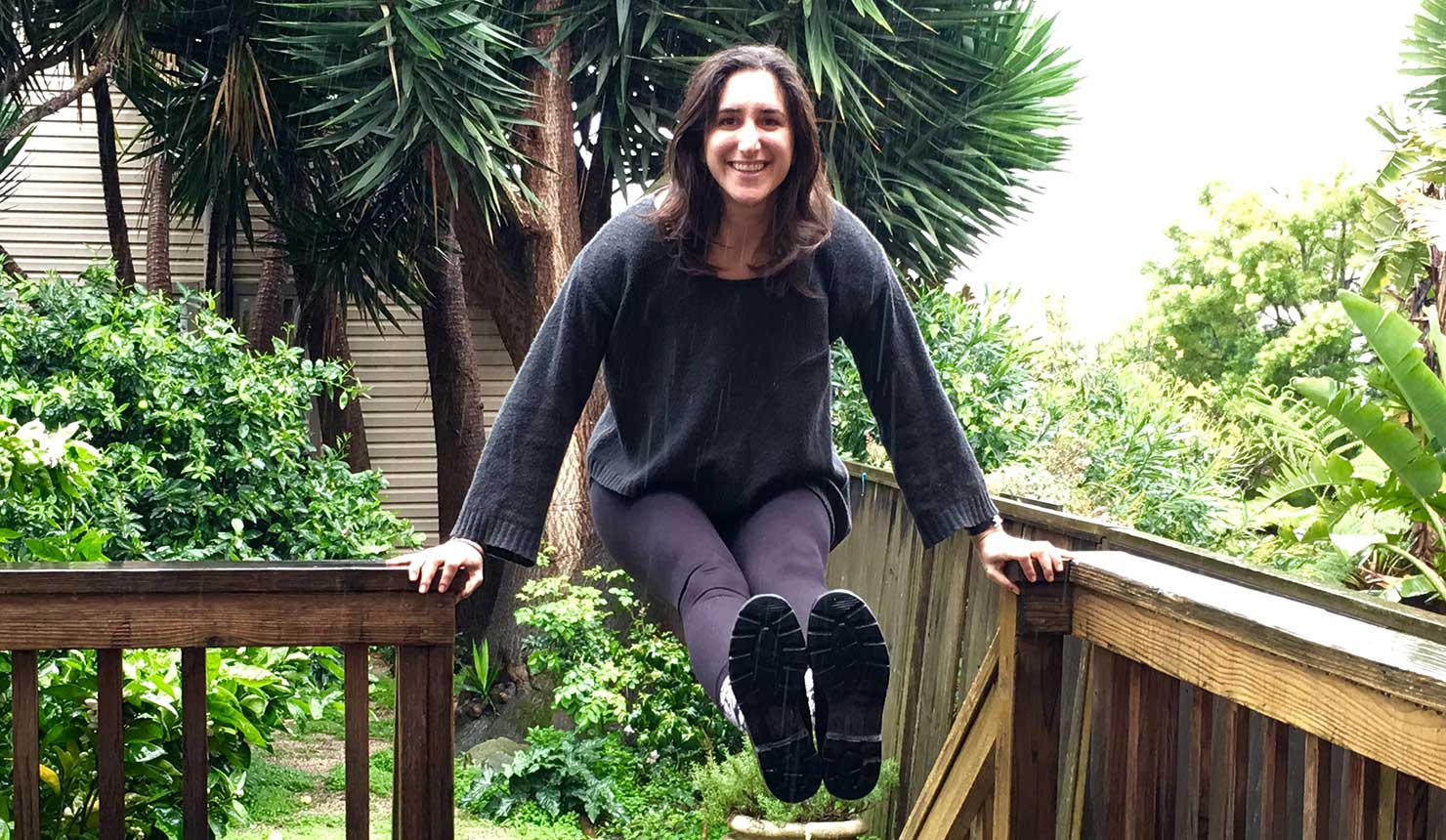
Student Profile: Olivia Sacks – Changing the Narrative
For medical student Olivia Sacks ’19, medicine and poetry have a lot in common—both are connected to the human condition and to something greater.
The Paradox of Sleeping Pills – News & Record
Read article – Quotes Lisa Schwartz, professor of medicine, on the harms of sleeping pills. Article mentions that Schwartz has worked with Consumer Reports Best Buy Drugs on sleeping pill effectiveness and safety.
Do Pricier Treatments Drive Workers Comp Diagnoses? – Business Insurance
Read article – Quotes Jon Lurie, associate professor of medicine, orthopaedic surgery, and of The Dartmouth Institute for Health Policy and Clinical Practice, about how one reason surgery rates vary from place to place is due to the enthusiasm of providers.