Read more – Quotes Timothy Gardner, associate professor of medicine, about how developing exocrine pancreatic insufficiency isn’t a given after surgery, and the real key is how much of your pancreas has been removed. “It’s a volume issue,” says Gardner. “The less pancreas you have, the less ability you have to make enzymes.”
Archive for 2016
PET Scan Follow-Up Use Varies Widely, But Survival Doesn’t – Oncology Times
Read article – Quotes Sandra Wong, chair and professor of surgery and professor of the Dartmouth Institute for Health Policy and Clinical Practice, who is the lead author of a recent study that found that the degree of usage of PET scans for follow-up care for U.S. patients with lung and esophageal cancer appears to have no impact on survival.
What Does ‘Breakthrough’ Mean to Docs and Consumers? It’s Not the FDA Definition – FiercePharma
Read article – Quotes Steve Woloshin, professor of medicine, community and family medicine, and of the Dartmouth Institute for Health Policy and Clinical Practice, and co-author of a recent study which found that when the FDA designates a drug as a “breakthrough” therapy, 77 percent of physicians think it means there is “high-quality evidence” that the drug is more effective than current treatments.
Prescribing Opioids During an Addiction Epidemic (Audio) – NHPR
Listen to story – As a guest on NHPR’s “The Exchange,” Gilbert Fanciullo, professor of anesthesiology, discusses how state lawmakers, doctors, and others in the medical profession have been hammering out new guidelines for prescribing opioids to tackle the issue of over-use and alleviate the addiction crisis.
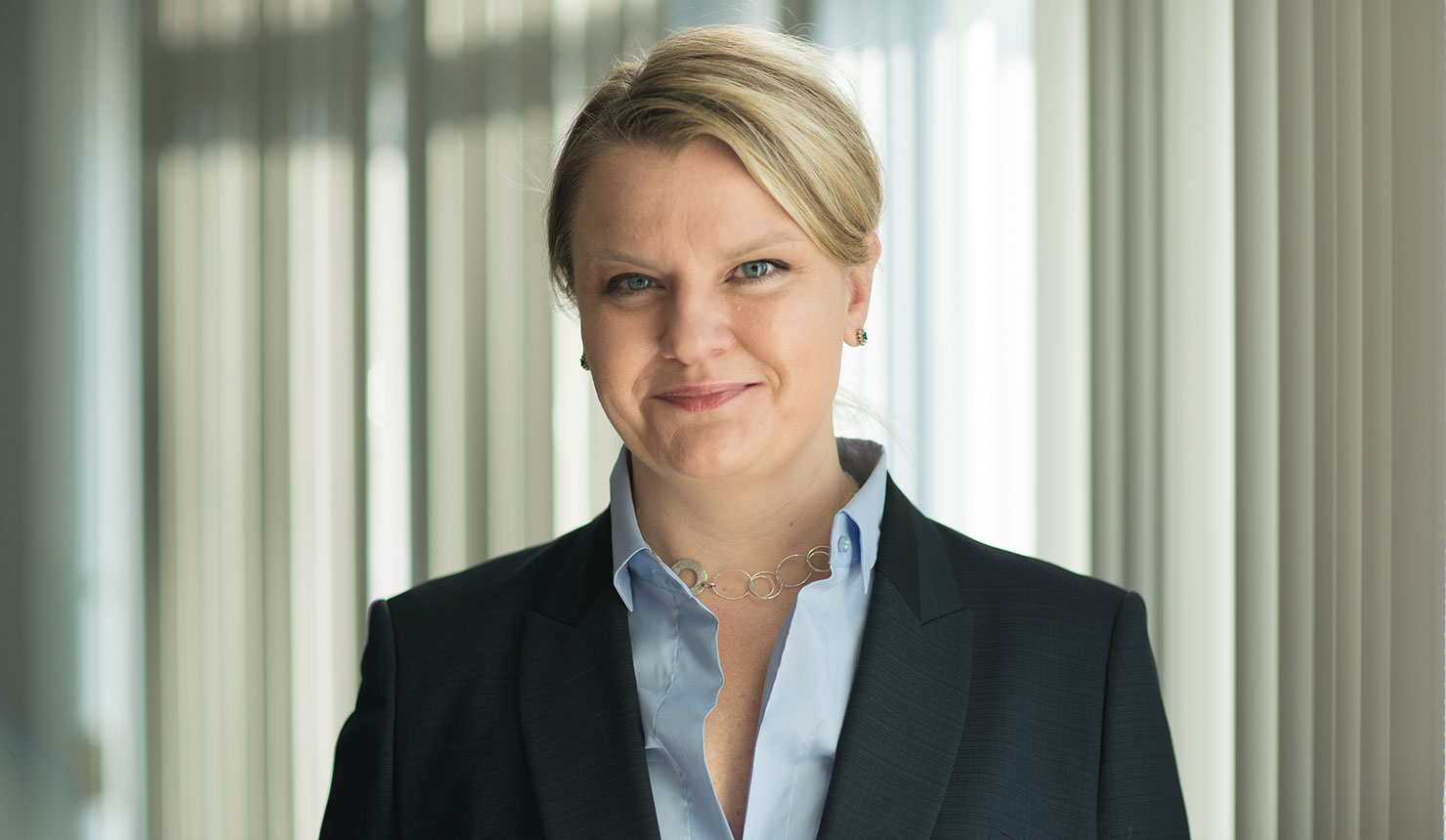
Geisel’s Lisa Marsch Appointed to Wallace Professorship
Lisa Marsch, PhD, a professor of psychiatry and director of the Dartmouth Center for Technology and Behavioral Health, has been appointed to the Andrew G. Wallace Professorship at the Geisel School of Medicine.
Mental Health Software Treats Patients as Partners in Care – Valley News
Read article – Patricia Deegan, adjunct professor of community and family medicine, recently developed the CommonGround software program that West Central, a mental health clinic in Lebanon, began using earlier this year to give a voice to patients in determining their treatment during short, routine appointments. Deegan said that she became interested in Dartmouth because of the institution’s important role in the promotion of “shared decision making” between the doctor and the patient. Deegan is working with Greg McHugo, professor of psychiatry, and others on a new study that will compare how CommonGround and another, more top-down approach affect medication visits and improve patient involvement in decision-making.
TV Ads for Unhealthy Fast Food Are Targeting Our Children – Albany Daily Star Gazette
Read article – Discusses a study led by Jennifer Emond, assistant professor of pediatrics and of biomedical data science, scheduled for publication in The Journal of Pediatrics, which links obesity in young people to familiarity with televised fast-food advertising. According to Emond, “Seventy-nine percent of the child-directed ads from those two restaurants aired on just four children’s networks.”
New Company Offers Lists of Drug Risks and Successes, Just Like Nutrition Boxes on Food – Concord Monitor
Read article – Steve Woloshin and Lisa Schwartz, both professors of medicine and of community and family medicine, have started Informulary, a new company that aims to give patients better and more accessible information about prescription drugs in what they call DrugFactsBox, similar to lists of nutrition facts required on most processed foods.
Dartmouth Students Offer Youngsters an Intro to Science – Valley News
Read article – Highlights “Science Day,” an annual event organized by Graduate Women in Science and Engineering, which features short hands-on science activities set up in buildings across campus, geared toward middle school and ninth-grade students.
Mental health: There’s an App for That – Nature
Read article – This feature story in April issue of Nature looks at the use of smartphone apps to diagnose and treat a variety of mental health issues. The story features apps created by Dror Ben-Zeev, asst. professor of Psychiatry at Geisel, and the Psychiatric Research Center at Dartmouth. “We can now reach people that up until recently were completely unreachable to us,” says Dror Ben-Zeev.