Video of the Geisel/D-H town hall on June 20 is now available on our Sharepoint site (NetID required). This town hall focused on academic affairs post realignment.

Video of the Geisel/D-H town hall on June 20 is now available on our Sharepoint site (NetID required). This town hall focused on academic affairs post realignment.
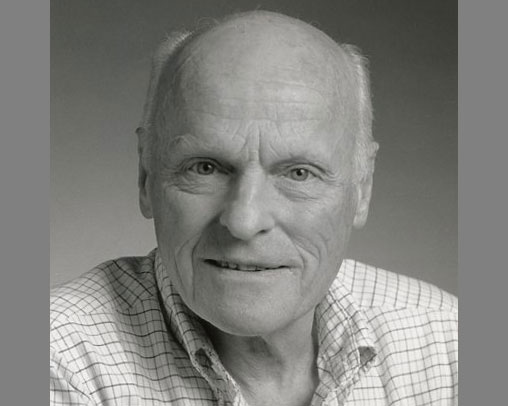
On Saturday, July 9, from 2:30 – 5:00 PM at the Montshire Museum, there will be a celebration of Allan Munck’s life for family, friends, and colleagues.
Read article – Quotes Leslie Henderson, senior associate dean for academic affairs and associate dean for diversity and inclusion, and professor of physiology and neurobiology and of biochemistry, about how transgenderism isn’t an innate problem, it’s an innate disposition. “There is good evidence that there is a fundamental biological basis to gender identity. We may not understand all the factors, but we do know there are critical periods in development right around birth when hormones can permanently change the brain: sexual orientation and gender identity may be established in those early times,” says Henderson.
Read article – Quotes Steven Woloshin, professor of medicine, community and family medicine, and of the Dartmouth Institute for Health Policy and Clinical Practice, about a new study that found that doctors who accepted even a single free lunch (or, for that matter, free dinner) from pharmaceutical companies were more likely to prescribe their host’s pricey brand-name drug to Medicare beneficiaries instead of a cheaper, equally effective generic alternative. Woloshin was not involved in the study.
Read article – Quotes Judy E. Stern, professor of obstetrics and gynecology and professor of pathology, about the potential health risks of egg donation. “I think if there had been huge health risks [from IVF], we would have seen that over the last 30 years,” says Stern. “That suggests the absolute risk is fairly low. But we don’t know anything about the donors,” whose risks may differ from infertile women undergoing IVF. “These are presumably fertile women and they may respond to medications [differently] than infertile women.”
Read article – An article remembering the life of Allan Munck, professor of physiology emeritus, whose solutions to some key problems in physiology inspired his colleagues at the medical school and earned him worldwide acclaim as an intellectual trailblazer.
Read article – Quotes Rosalind Stevens, active emeritus professor of surgery, who volunteers for the international charity Orbis which is helping the visually impaired through a flying hospital staffed by volunteer doctors and medical workers. It recently unveiled a new version of its airborne clinic, which will take the latest medical technology around the world. “When we remove the patch the next day, frequently the patient breaks into a big smile,” says Stevens.
Read article – Cites a paper authored by researchers at the Geisel School of Medicine that found within only six months to a year after beginning intravenous drug use, 50 to 80 percent of drug users test positive for the hepatitis C antibody.
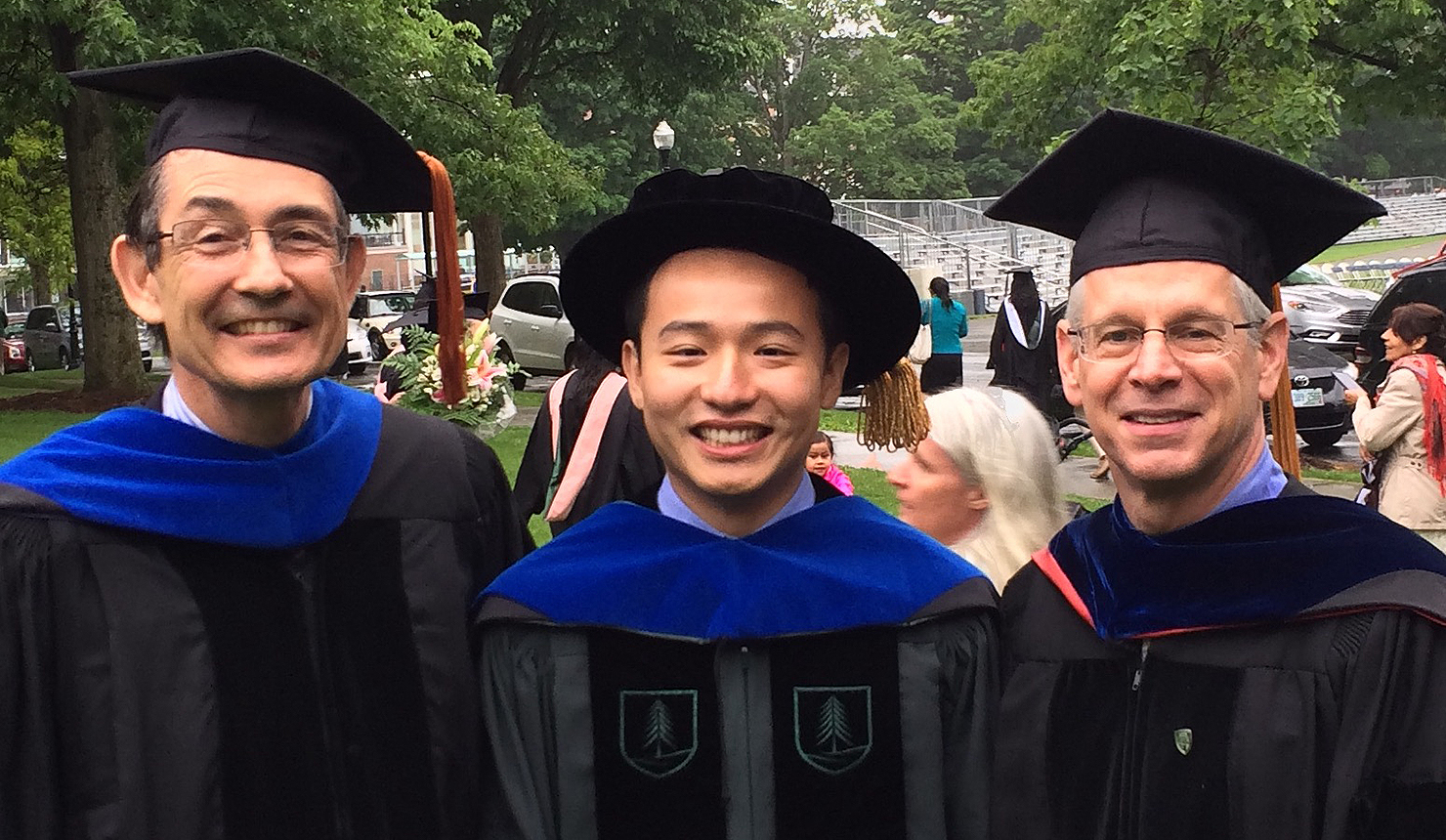
Biomedical Data Science (BMDS) graduate student David Qian was awarded the prestigous John W. Strohbehn Medal for Excellence in Biomedical Research at the Dartmouth College’s Graduate Investiture Ceremony.
Once again, congratulations to our 2016 graduates! Below is a compilation of the student and faculty awards presented at Geisel this year.
This page may link to PDF files. Use this link to download Adobe Reader if needed.