Read article – Quotes Jeffrey Munson, assistant professor of medicine and of the Dartmouth Institute for Health Policy and Clinical Practice, who was the lead author of a recent study that found older people who break a bone are often receiving medications that can increase the risk of a fracture – and even after an accident, less than 10 percent of them stop taking those drugs. (Additional coverage in UPI.)
Archive for 2016
6 Surprising Things That Increase Your Skin Cancer Risk – The Huffington Post
Read article – Cites a study by Margaret Karagas, chair and professor of epidemiology, that found that HPV skin infection heightens the risk of developing certain skin cancers such as basal and squamous cell carcinomas and is worsened if people are taking immunosuppression drugs.
Experts Split on the Financial Success of Accountable Care Organizations – FierceHealthcare
Read article – Cites a study co-authored by Elliott Fisher, chair and professor of the Dartmouth Institute for Health Policy and Clinical Practice, and professor of medicine and community and family medicine, about how the accountable care organization model is still in its infancy but that completely discounting it would be a mistake, as ACOs show signs of promise as a payment and delivery model.
McDonald’s Removes Fitness Tracker from Happy Meals – CNN
Read article – Jennifer Emond, assistant professor of biomedical data science and of pediatrics, is quoted about how McDonald’s is removing the Step-It activity trackers from Happy Meals due to concerns over skin irritations. Emonds notes that she is skeptical of McDonald’s new toys, saying that it’s not a credible way to promote healthy lifestyles to children.
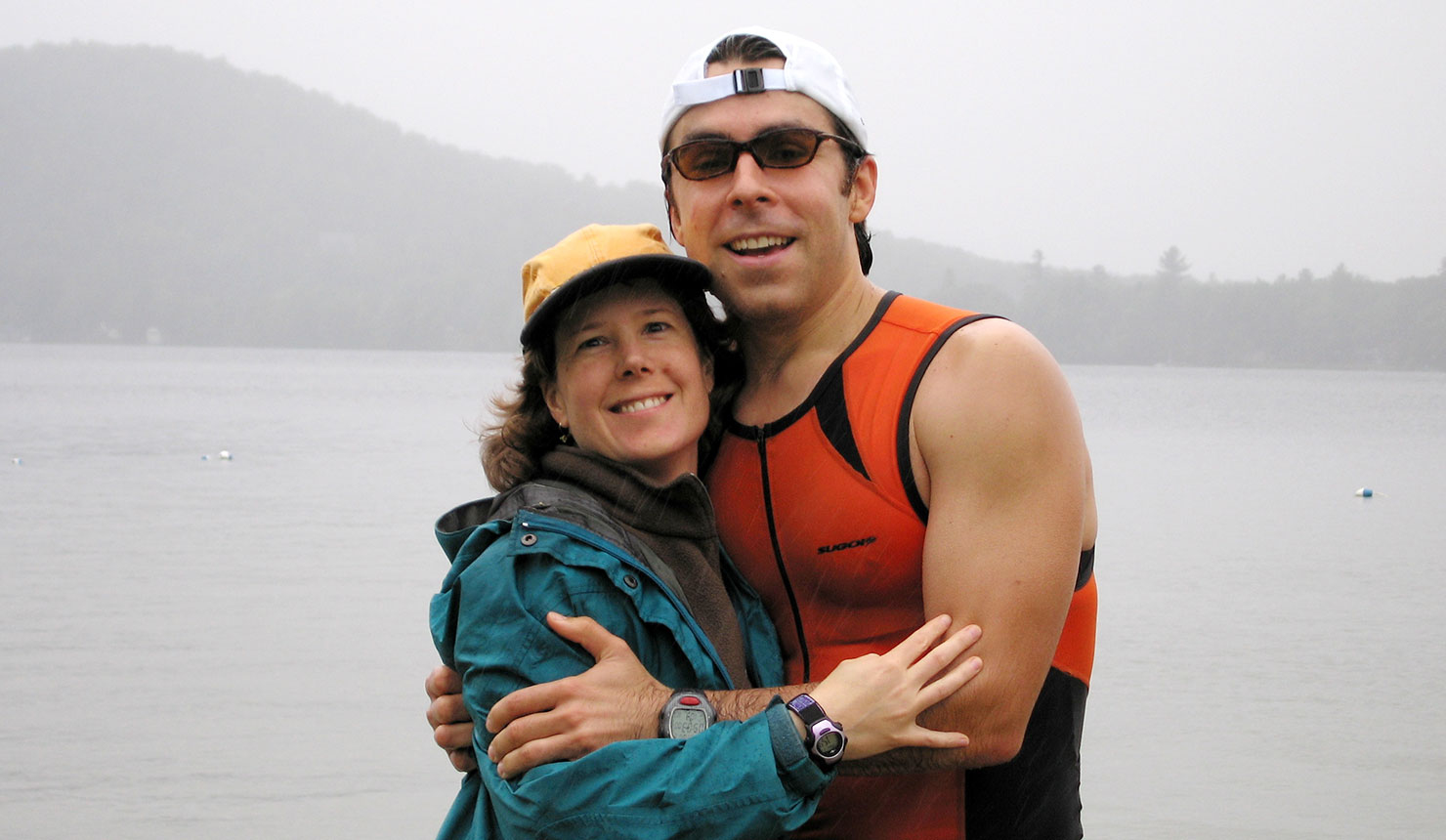
Michael Gleeson, MD-PhD ’10: Diving Deep
Michael Gleeson MD-PhD ’10, once disabled by reactive arthritis, regained his health with the right medical care and the help of his wife, Kirsten. His experience inspired him to become a physician-researcher.
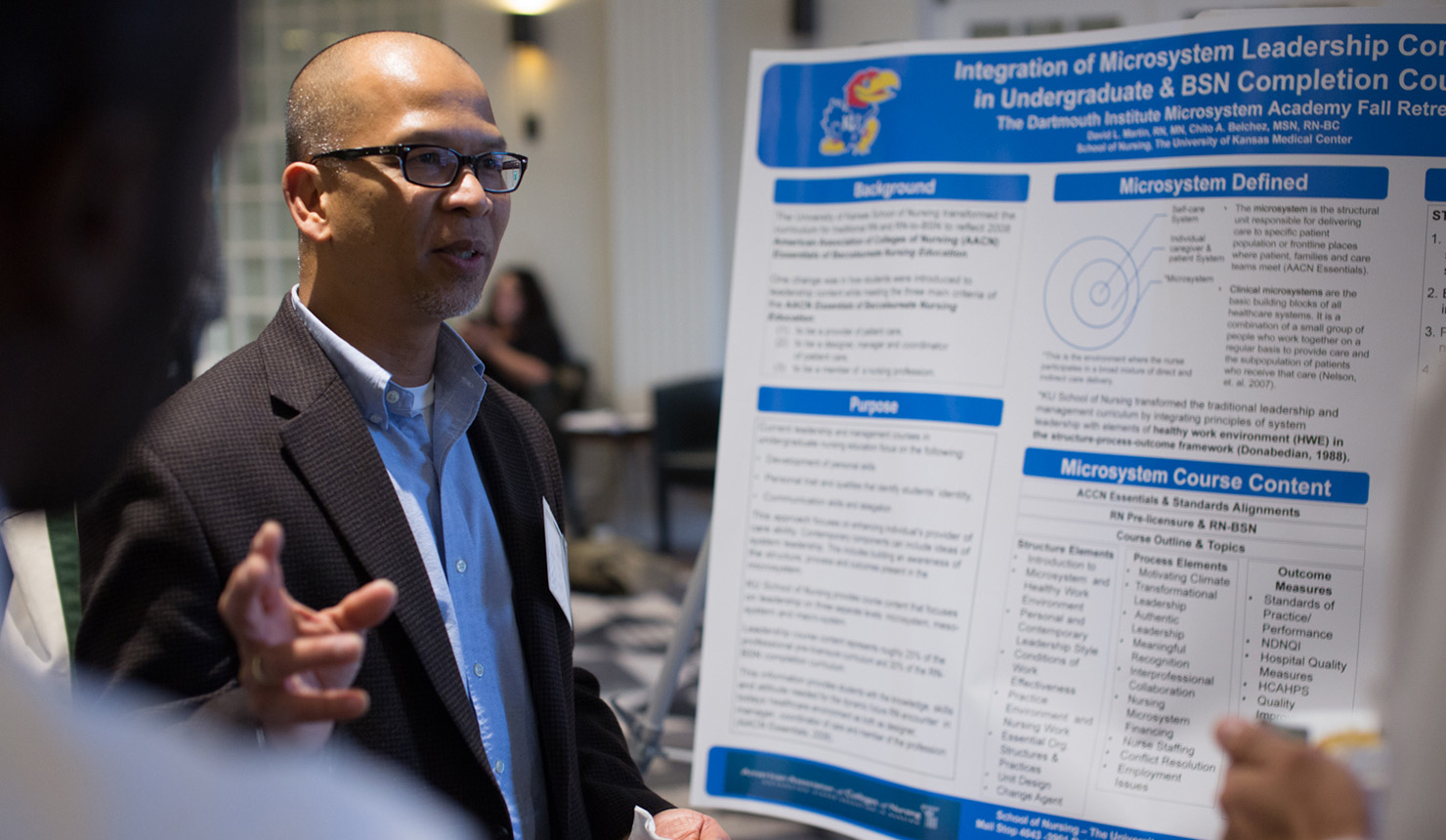
Microsystems Annual Fall Retreat, Sept. 29-30
Join The Dartmouth Institute’s Microsystem Academy for its Annual Fall Retreat, September 29-30. This year’s theme, “Focus on Leadership,” will bring together interprofessional colleagues engaged in health care improvement through the lens of the clinical microsystem.
Why Get a Liberal Education? It Is the Life and Breath of Medicine –The Conversation
Read article – An opinion piece co-authored by Leslie Henderson, senior associate dean for academic affairs and associate dean for diversity and inclusion, and professor of physiology and neurobiology and of biochemistry; Lisa Adams, associate dean of global health and associate professor of medicine and community and family medicine; and Glenda Shoop, director of curricular design and evaluation; where they examine whether a medical school belongs with a liberal arts school, and value of a liberal arts education in a digital economy. (Additional coverage: SF Gate, Becker’s Hospital Review, US News & World Report.)
Physicians Drive Variation in Use of Non-Recommended Medical Services for Cancer Healio
Read article – Quotes Jonathan Skinner, the James O. Freedman Presidential Professor in Economics and professor of community and family medicine, and of the Dartmouth Institute for Health Policy and Clinical Practice, from an editorial he co-authored about how despite interventions designed to curb the inappropriate use of medical services, many clinicians have continued using non-recommended services.
The Changing Face of NH: What It Means to Have the 2nd Oldest Population in the Nation – New Hampshire Union Leader
Read article – Quotes Stephen Bartels, professor of psychiatry, community and family medicine, and of the Dartmouth Institute for Health Policy and Clinical Practice, about how the skyrocketing costs of long-term care and treatments for chronic conditions in elders “could be the thing that could bankrupt the system.”
21 Tips for Navigating the NICU – Fit Pregnancy
Read article – Cites a study conducted by researchers at the Dartmouth Institute for Health Polocy and Clinical Practice that found 43 percent of infants that spend time in the neonatal intensive care unit (NICU) are not even premature—they are full-term babies who need more care.