Katie Quinn

Laboratory Strains
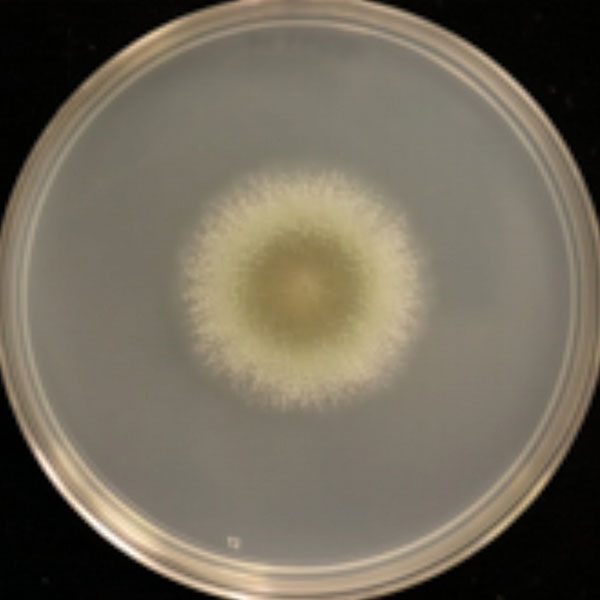

Clinical Isolates from Patients with Cystic Fibrosis
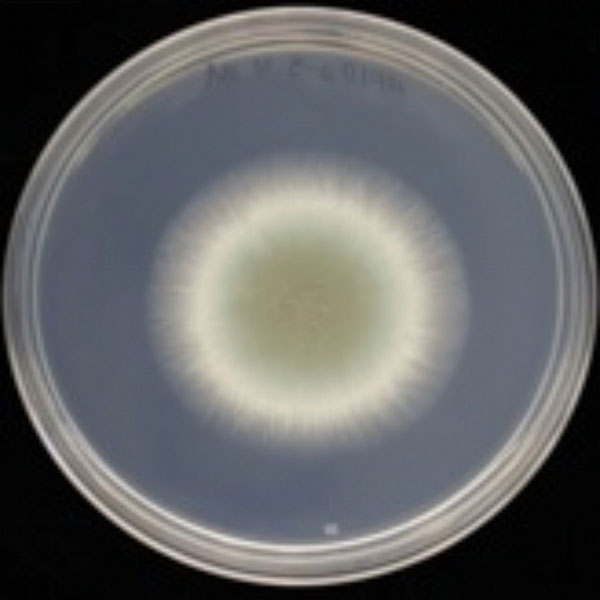
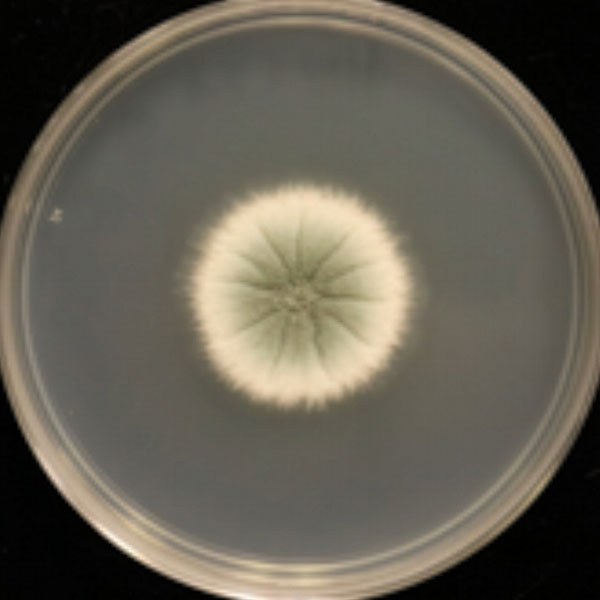
Morphological heterogeneity among laboratory and clinical A. fumigatus strains. In addition to morphology differences, these isolates have altered metabolisms that may result in fitness advantages under certain conditions.
Wild Type
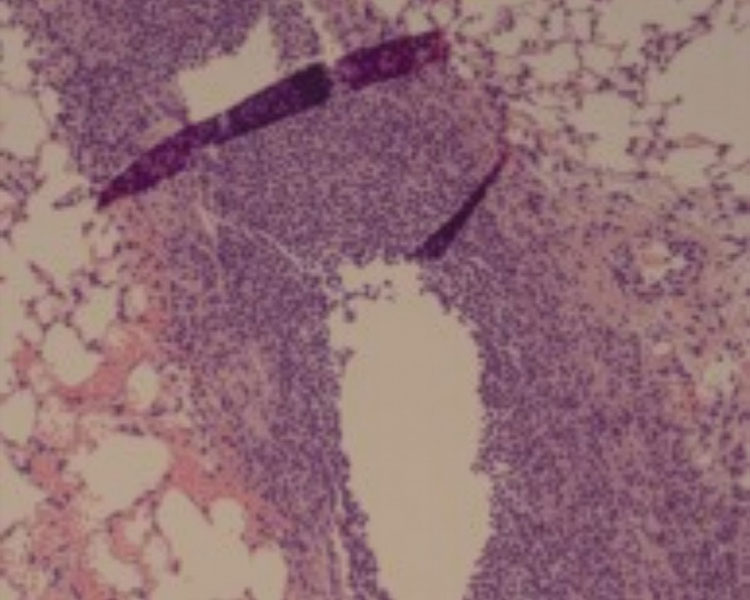
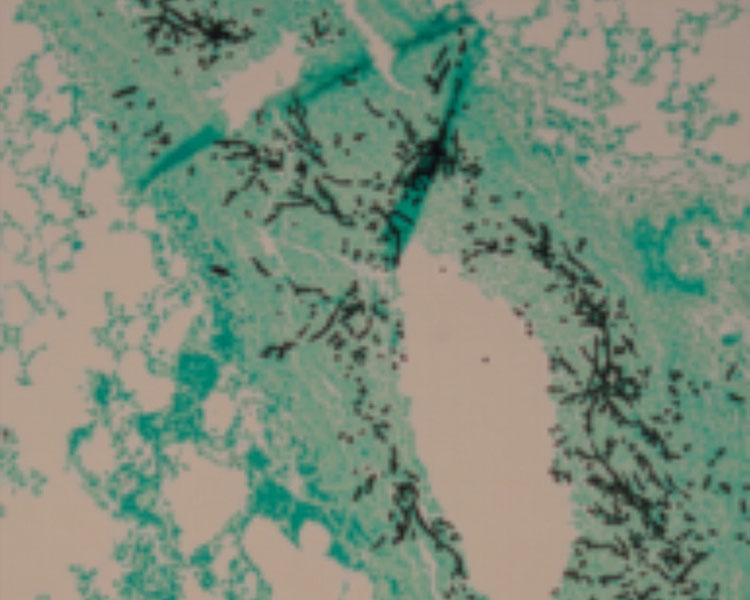
ΔpfkΑ
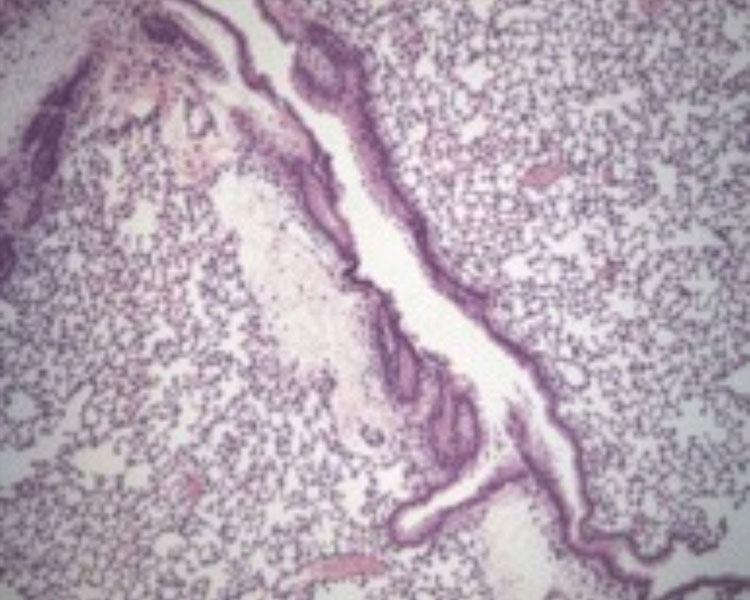

Loss of the glycolytic enzyme phosphofructokinase, ΔpfkΑ, does not support fungal growth in vivo indicated by no visible fungal (black) lesions within the airways.
About Me
Katie's interest in microbiology began as an undergraduate at the University of Minnesota-Twin Cities where she earned her Bachelor of Science in microbiology in 2019. While at Minnesota, Katie studied silica uptake mechanisms in cyanobacteria in the lab of Dr. Trinity Hamilton. After earning her Bachelor's, Katie worked for a regenerative medicine biotechnology company in Minneapolis seeking to create bioengineered livers. As a technician and scientist there, she worked extensively on hepatocyte cell isolations and re-cellularization techniques before beginning graduate school.
As a PhD candidate in the Cramer lab, Katie's work focuses on understanding how metabolic adaptations across different Aspergillus fumigatus strains confer increased low oxygen fitness and virulence. Using an experimentally evolved strain with increased fitness in low oxygen (termed H-MORPH) as a tool, she has identified a novel metabolic mechanism of redox balancing whereby ethanol oxidation and nitrate reduction are uniquely couple. Her research currently focuses on understanding how this metabolic mechanism confers in vivo fitness during an infection, if this metabolic adaptation is seen in other A. fumigatus isolates, and what in vivo selective pressures may lead to this adaptation.
Additionally, in collaboration with Dr. Jane Jones in the lab, Katie is also investigating the lung metabolic landscape and nutritional requirement of Aspergillus fumigatus needed to initiate disease and support growth during Invasive Pulmonary Aspergillosis (IPA). Katie and Jane have shown that glycolysis and the glycolytic enzyme, phosphofructokinase A (pfkA), is necessary to initiate an infection and cause disease in a corticosteroid model of IPA, despite the abundance of non-glycolytic nutrients present in the lung during infection. They are currently investigating the molecular mechanism behind glucose sensing and signaling needed to support A. fumigatus disease initiation.
Outside of the lab you can find Katie on a pool deck as a swim coach or hiking, running, and skiing in the White and Green Mountains!