
Sarah Matsunaga, MED'25, Explores HIV-Related Health-Seeking Behaviors in Fiji: “How Can We Add Value?”
By Dr. Sarah Matsunaga, MED'25
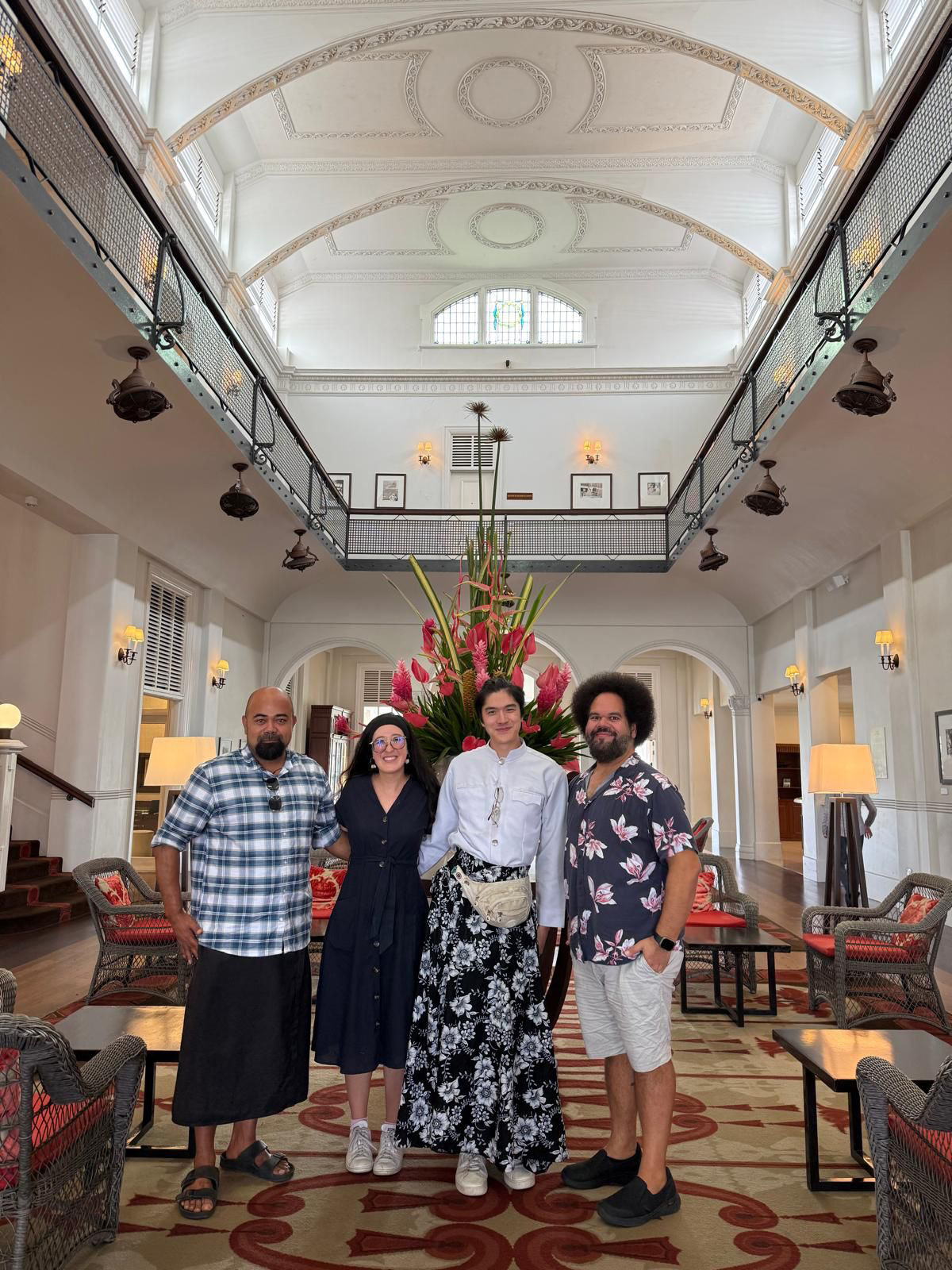
A research meeting at The Grand Pacific Hotel, featuring (left to right) Christopher Lutukivuya, Dr. Sarah Matsunaga, MED'25, Nick Woo, Dr. Jioji Ravulo
Ni Sa Bula (Hello),
Through Dartmouth's Center for Global Health Equity (CGHE) Co-designed, Community-based Internship (CCI), I had the opportunity to travel to Suva, Fiji, in March, to support research on health-seeking behaviors related to HIV. Just prior to the CGHE CCI, in 2024, I completed a Fulbright fellowship, where I led a project titled "Adolescent Attitudes Towards Depression in Fiji." Analysis is still ongoing for this project, but through the CGHE CCI, I was able to finalize a few aspects of the project, bring on another advisor, and meet with researchers to consider how to disseminate the results once they are ready.
For the CGHE CCI project, the research team included Dr. Jioji Ravulo and Dr. Litea Meo-Sewabu, professors of social work at The University of the South Pacific (USP); Nick Woo '20, a fellow Dartmouth alum and Fulbright Scholar; and local HIV advocates such as Christopher Lutukivuya.
In the summer of 2023, Fiji's Ministry of Health reported that the country had the second-fastest growing HIV epidemic in the Asia-Pacific region. This region already represents the world's largest HIV burden outside of eastern and southern Africa. In a national broadcast, Health Minister Dr. Lalabalavu called for collaboration between Fijian academic and community partners to better understand stigma and discrimination to tackle the spread of HIV in Fiji. This call to action is visible throughout Suva, where banners line Laucala Bay Road, offering accurate information and personal stories of people living with HIV.
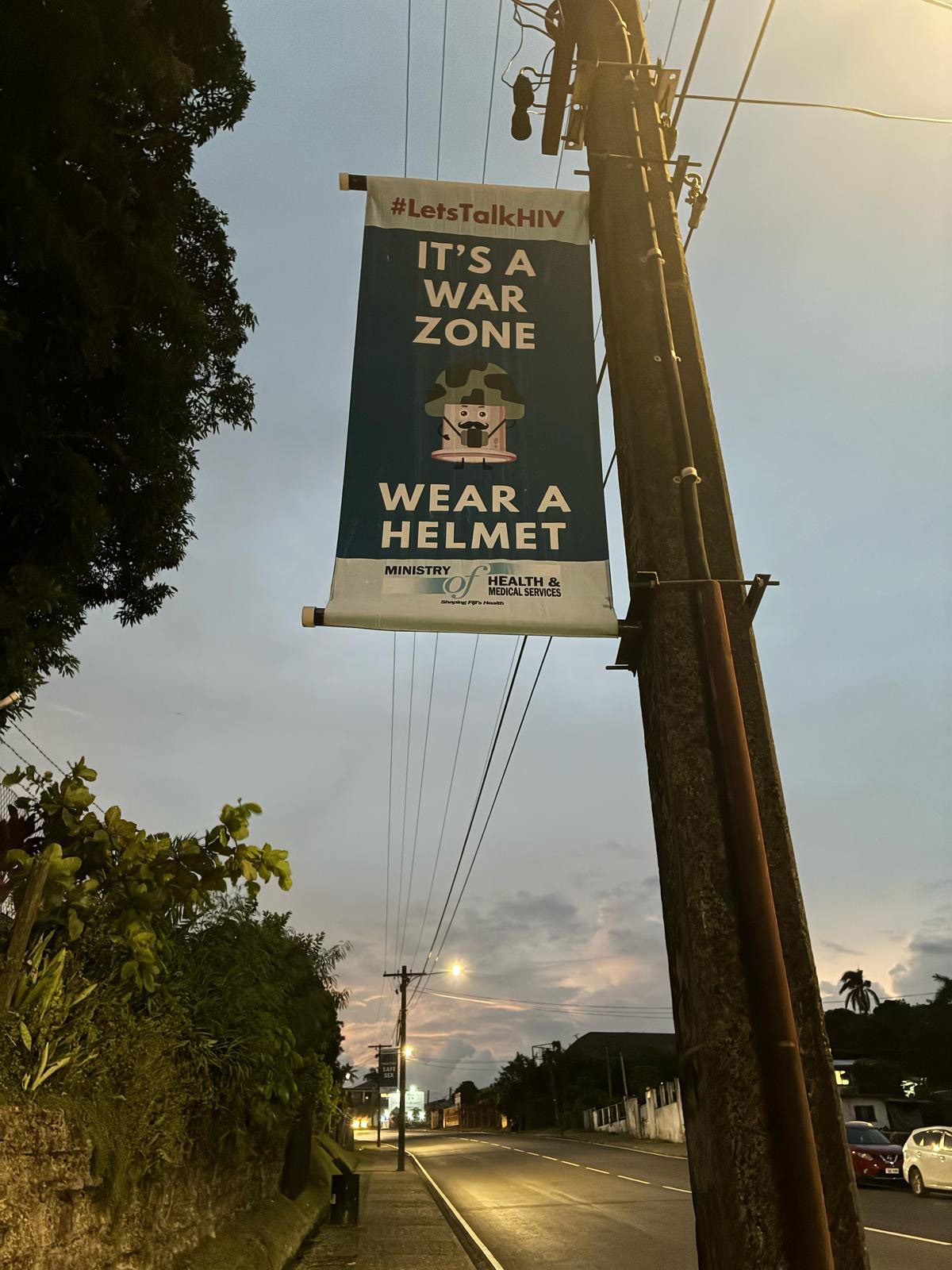
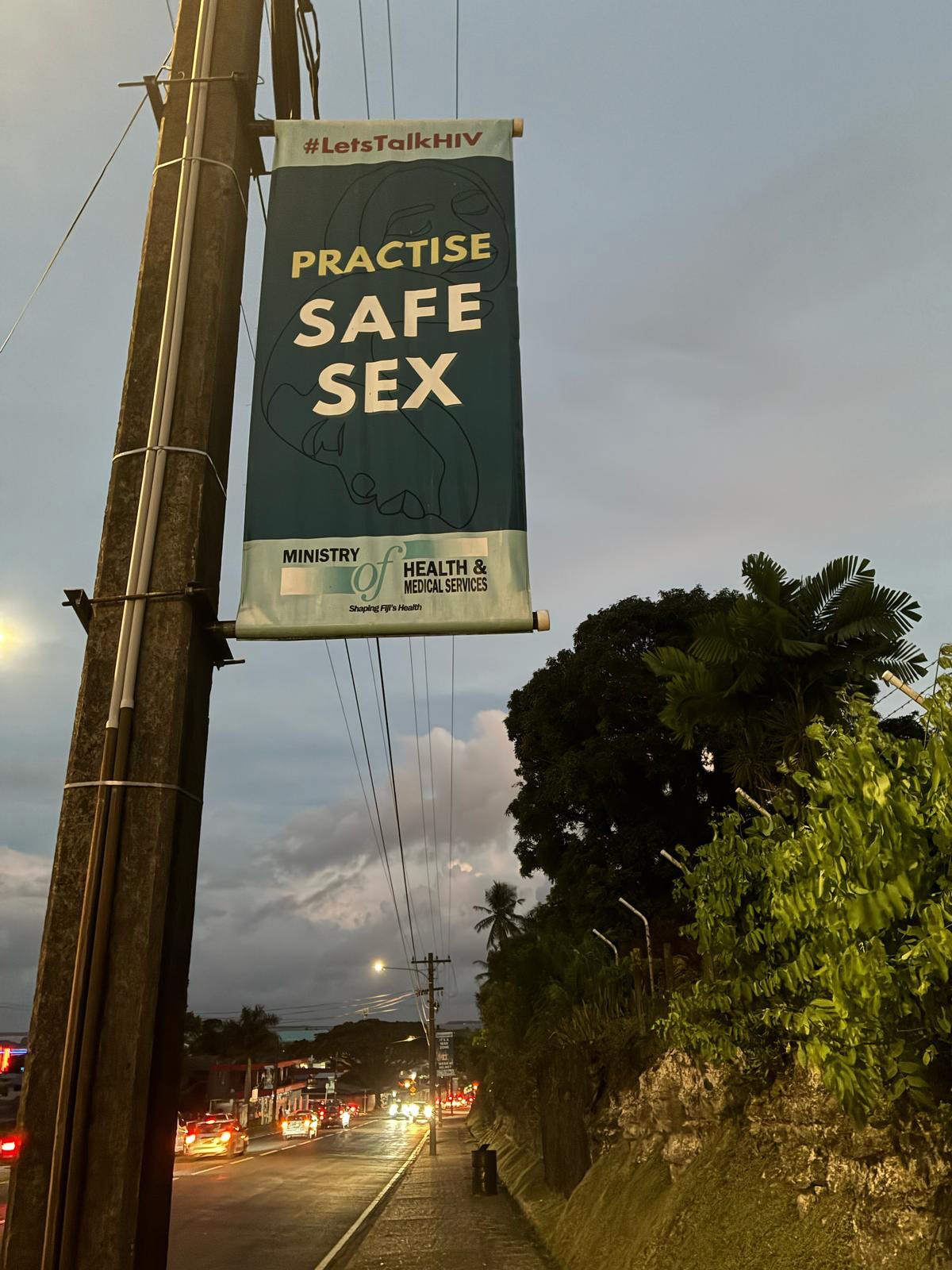
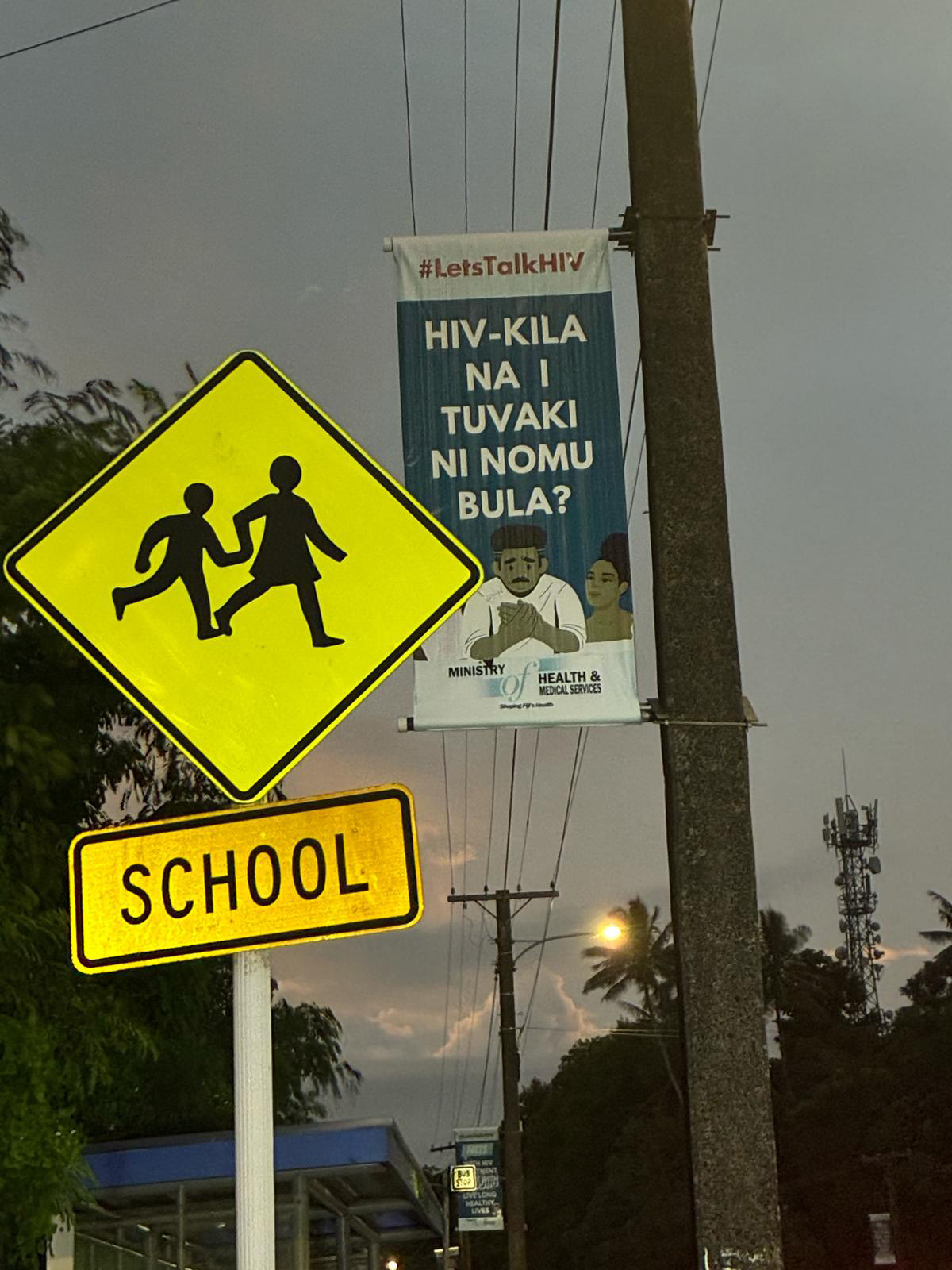
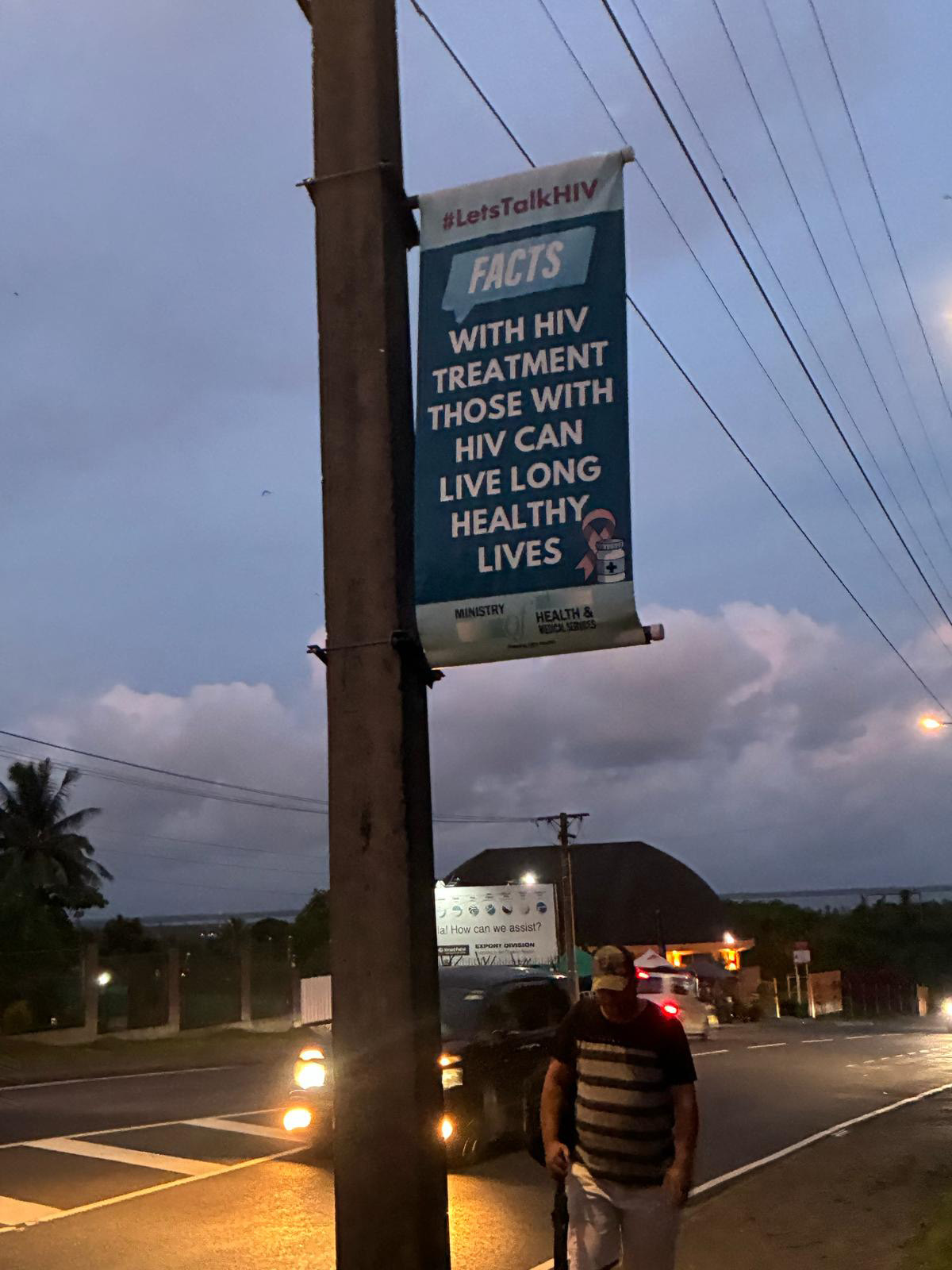
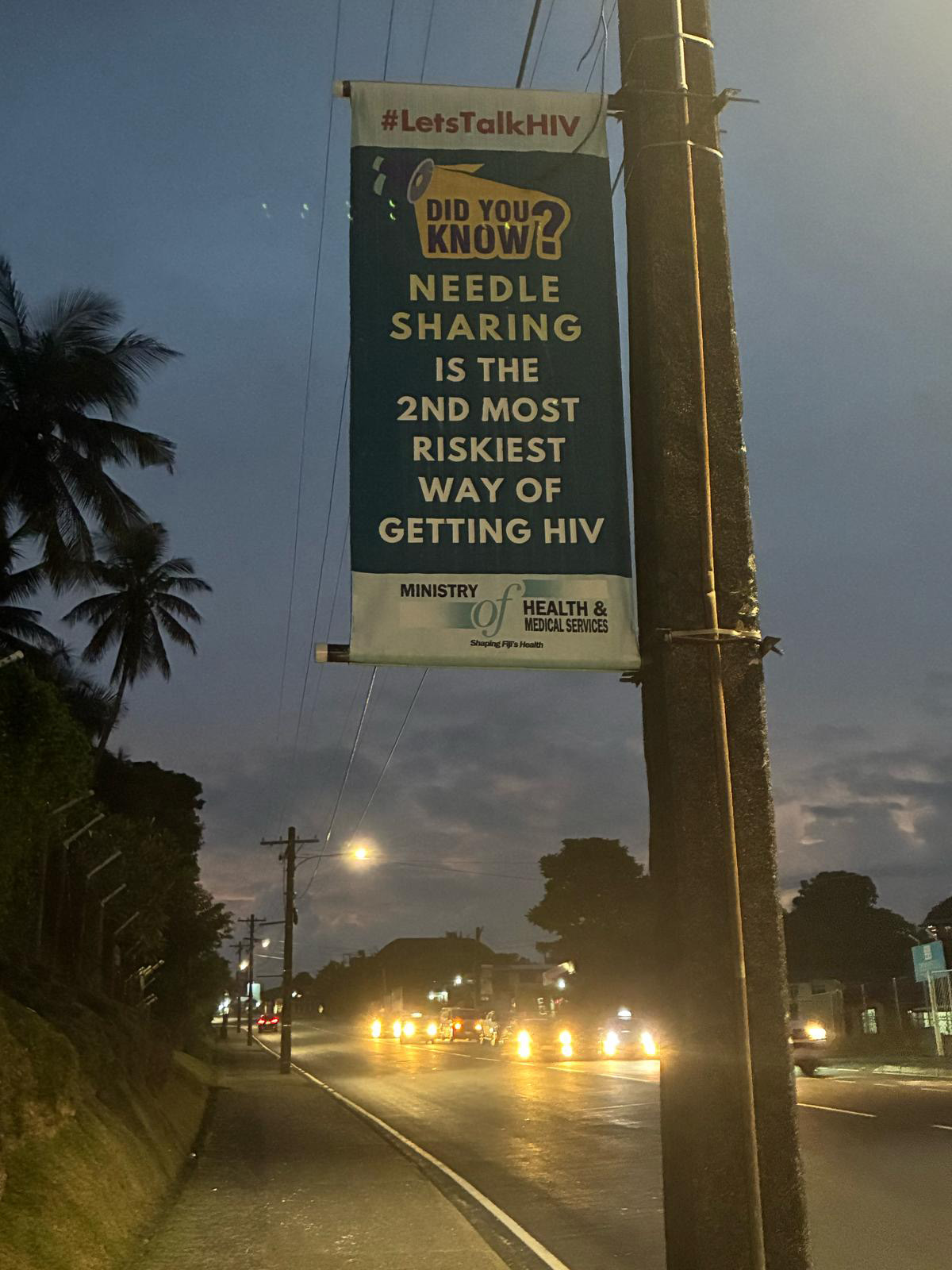
Banners run along Laucala Bay Road with information about HIV
Our research centered on one key question: How can we add value to the existing work in this space? With many stakeholders already engaged, our goal was to contribute meaningfully through a project designed as an iTaukei-led, community-based participatory research initiative. Guided by the Fijian Vanua Research Framework—which emphasizes cyclical rather than linear methods—our work aimed to be both sustainable and rooted in local knowledge and traditions. Using this framework, I supported the initial phases of Na Vunavuci (the seeding of ideas) and Na Vakavakarau (the process of preparation). This involved meeting with stakeholders and listening closely to community concerns and priorities.
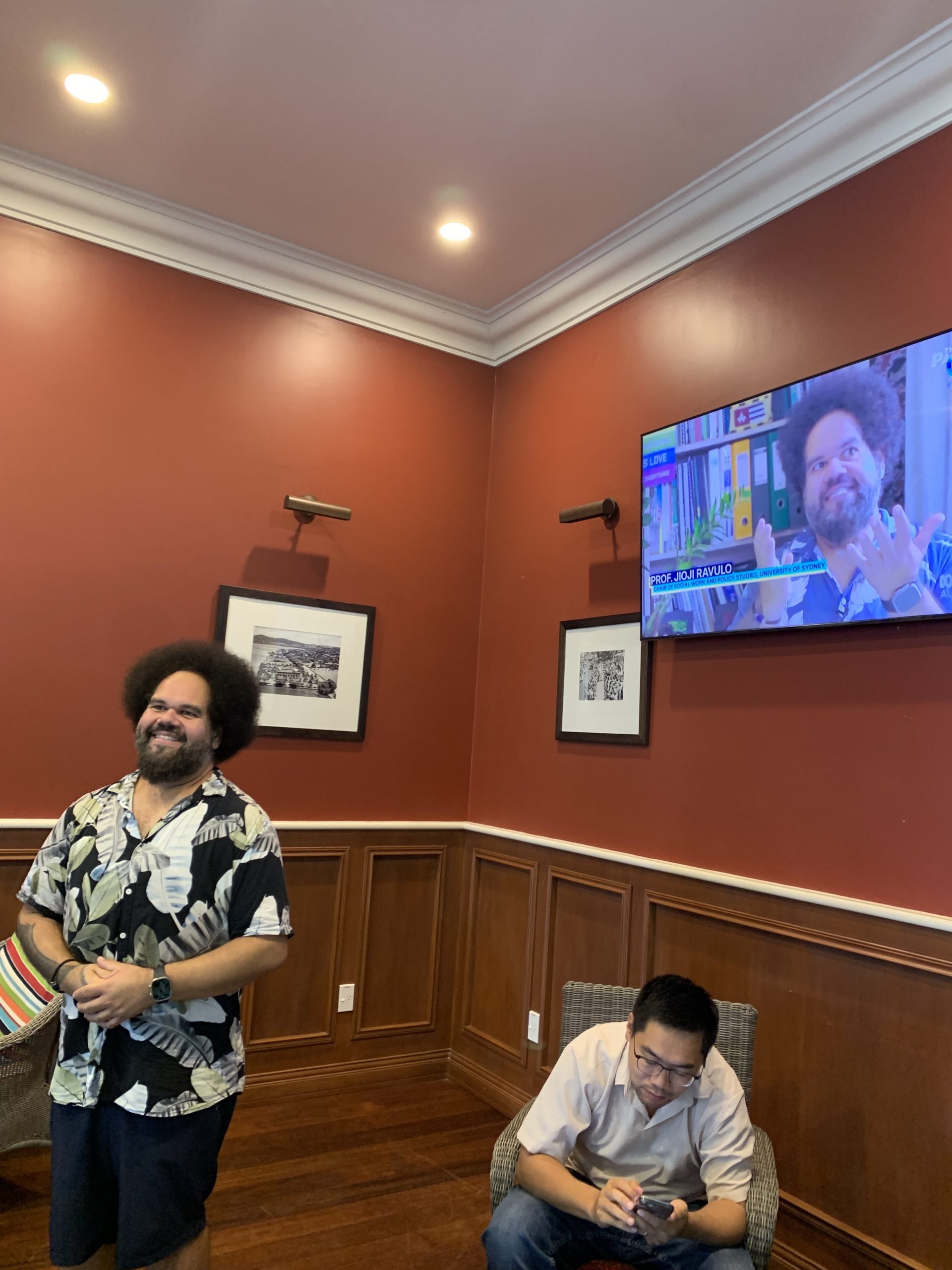
By happenstance at a research meeting, an interview with Dr. Jioji Ravulo started playing on a local news station
We began by attending the Pacific Technical Cooperation sessions of the Committee on the Elimination of All Forms of Discrimination Against Women (CEDAW), structured around Talanoa, a Pacific style of inclusive dialogue. Over five days, representatives from across the Pacific—government officials, NGOs, and community leaders—shared progress and challenges, especially in relation to gender equity and reproductive health. These conversations offered incredible insight into the unique strengths and barriers Pacific nations face, especially concerning women and girls' access to care and the intersection of gender and HIV risk. We also took part in several formal and community dialogues, including a public feedback session on the 2026–2027 national budget hosted at USP by the Ministry of Finance. Through this work, we collaborated with individuals like Christopher Lutukivuya, a prominent HIV advocate with organizations such as People Living with HIV and the Rainbow Pride Foundation. Chris, who publicly disclosed his HIV status to help combat stigma, shared his perspective on the importance of a culturally grounded approach to HIV prevention and treatment. We discussed how leveraging cultural strengths can help slow the spread of HIV. I met with physicians practicing and training in Fiji through Fiji National University's School of Medicine and attended a lovely BBQ where I heard powerful stories from their careers and experiences.

Another meeting with the research team (left to right) Nick Woo, Dr. Jioji Ravulo, Dr. Sarah Matsunaga, MED'25
An academic highlight of my time in Fiji is exposure to Pacific ways of doing–whether through academic frameworks, research methodologies, or cultural protocol. For example, several additional layers of review exist to conduct research in Fiji. Proposals must pass through the Ministries of iTaukei Affairs, Education, Health, Immigration, and a local ethics review board. This rigorous process ensured feedback from diverse stakeholders. It deepened my understanding of the complexities surrounding public health research in the Pacific - solutions to Fiji's HIV crisis must be community-driven, sustainable, and grounded in local strengths. While international collaboration remains important, global health support is increasingly uncertain—with programs like PEPFAR and funding from USAID facing instability. This is frustrating, especially considering that HIV treatment has dramatically improved over a single generation. What was once a terminal illness is now a manageable condition with no impact on life expectancy.
The guiding question my research mentors continue to ask— "How can we add value?"—applies to all areas of global health. How can the U.S. be a dependable partner in global efforts? How can we ensure access to life-saving medications and comprehensive sexual health education for all? And what can we learn from Pacific public health strategies to better serve our communities at home?
As part of my CCI, I contributed a literature review and compiled note summaries from community meetings. While the team is still determining the most appropriate format for final deliverables, there is a shared commitment to returning the findings to the community in a way that reflects their preferences. I have continued to support the project remotely through regular meetings and plan to contribute to data analysis as the work progresses. Although the team is currently navigating funding constraints and awaiting additional approvals, data collection is expected to begin soon. Ultimately, the project aims to shed light on iTaukei perspectives regarding the spread of HIV in Fiji.
Vinaka vakalevu na veikauwaitaki. Thank you for your hospitality, Fiji! Thank you for hosting, teaching, and mentoring me. Thank you to the Center for Global Health Equity for making this experience possible and providing the tools to make the experience the best possible.
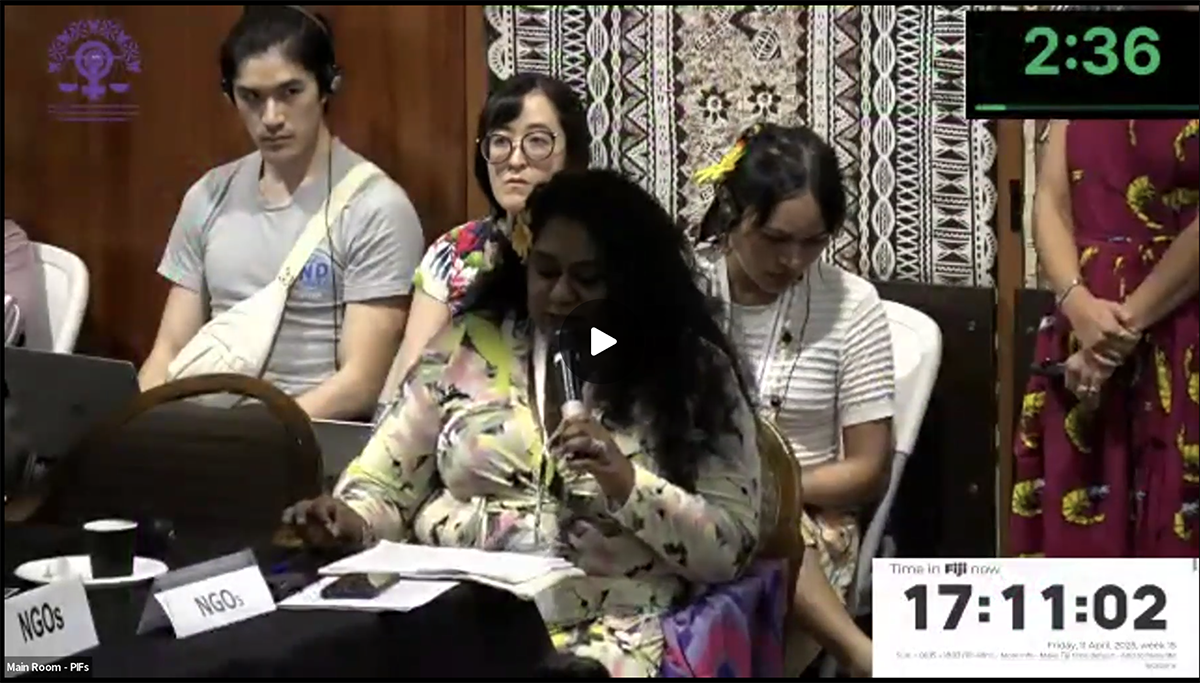
A screencap from the recordings of the CEDAW final meeting - the speaker is representing a local NGO. In the background are (left to right) Nick Woo, Dr. Sarah Matsunaga, MED'25
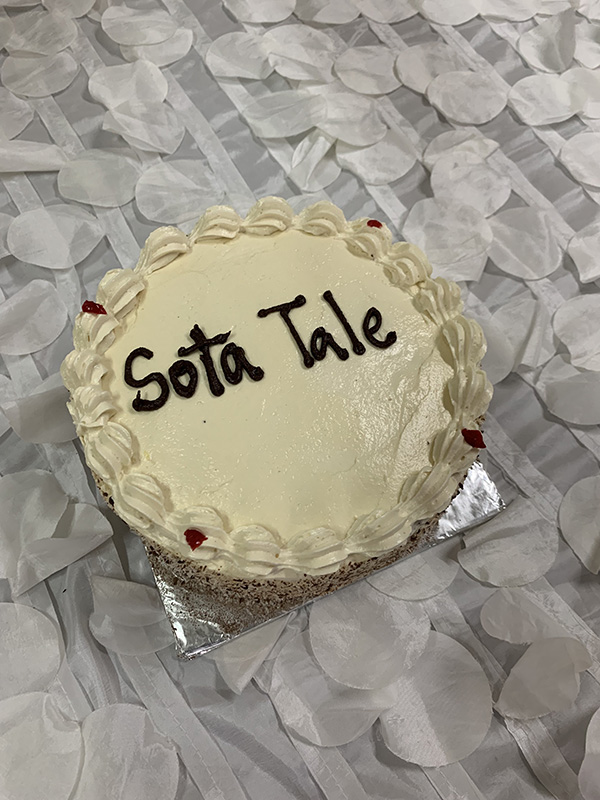
A goodbye cake, Sota Tale, meaning see you again in Na Vosa Vakaviti the Fijian language