

Written and photographed by Mia Jimenez, MED’28.
Across the fields of neuroscience and psychology, many of the tools used to assess cognition, emotion, and behavior have been developed and validated in high-income countries, particularly in North America and Europe. As a result, research conducted in low- and middle-income countries often relies on measures that may not fully capture the lived realities, languages, and cultural frameworks of local populations. This gap is especially significant in regions like sub-Saharan Africa, where understanding healthy brain aging is critical to designing culturally appropriate interventions and evidence-based healthcare policies.
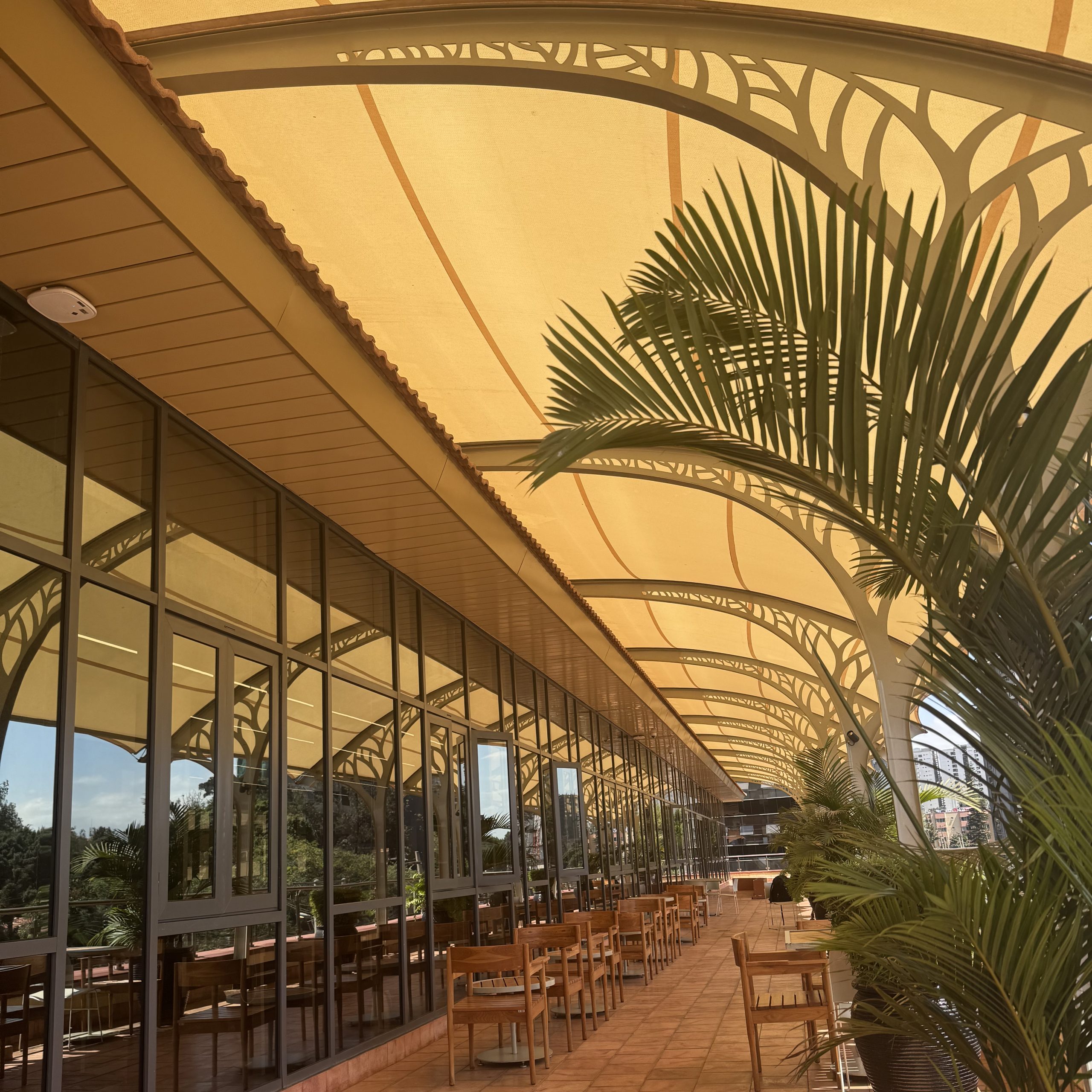
This summer, I had the opportunity to contribute to ongoing efforts to address this challenge as a research intern at the Brain and Mind Institute (BMI) at Aga Khan University (AKU) in Nairobi, Kenya. Supported by the Center for Global Health Equity, I spent four weeks working alongside Kenyan and international researchers dedicated to developing contextually relevant and community-informed approaches to brain resilience, aging, and mental health.
During my internship, I was primarily involved in data analysis for the Brain Resilience Kenya (BRK) Project. This is an ongoing study using comprehensive neurocognitive, neuroimaging, actigraphic, anthropometric, and biospecimen data to investigate the social, psychological, and physical determinants of resilient aging among Kenyan adults. My tasks involved learning to work with statistical software, reviewing neuropsychological measures, and presenting preliminary findings during team meetings. I quickly came to appreciate the complexities and nuances involved in measuring constructs like memory, mood, and resilience in ways that are both scientifically rigorous and culturally enriching. This made me realize that creating fair and accurate assessments is not just about translating tests into different languages but fully understanding how other cultures approach and experience stress, coping, and resilience.
A highlight of my internship was participating in a two-day Neuroimaging and Wearable Sensors Workshop attended by teams from BMI, Haematology-Oncology, Clinical Research Unit (CRU), and the Radiology and Imaging Department. Through this intensive learning experience, I was able to deepen my understanding of brain structures, learn how to manipulate data from wearable sensors, and explore how artificial intelligence tools such as large language models can support brain health research. The workshop concluded with a hackathon where interdisciplinary teams of participants used a preliminary BRK data set to present a research proposal, including a research question, a literature review, objectives, and methods. This experience not only allowed me to apply new skills to real-world challenges drawn from the BRK Project but also gave me the opportunity to collaborate closely with local physicians, scientists, and researchers.
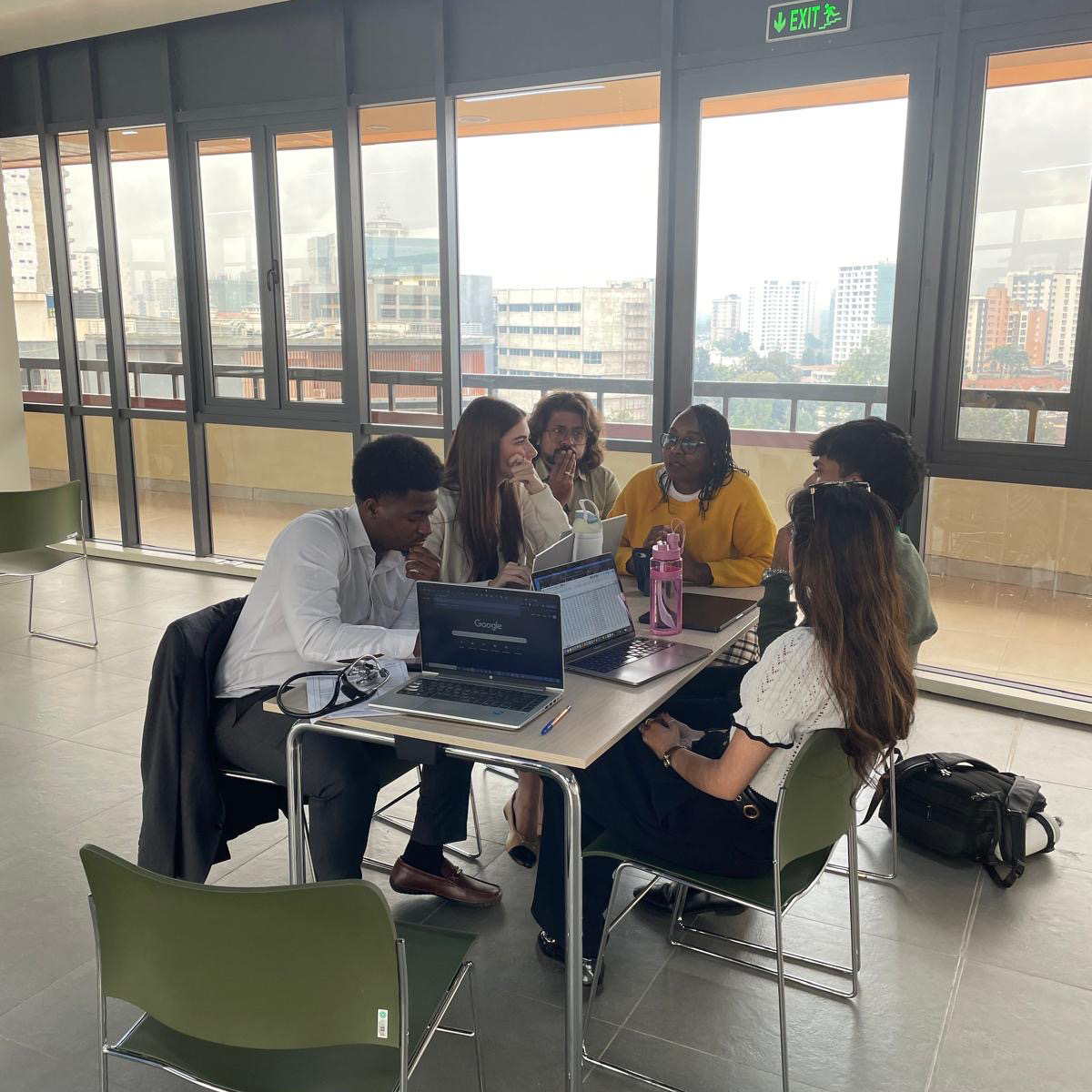
One of the most rewarding aspects of my time in Kenya was the mentorship I received from faculty, postdoctoral researchers, and the staff at BMI. Whether during team meetings, informal conversations over lunch, or collaborative projects, I was consistently met with generosity, intellectual curiosity, and a genuine interest in my development. These relationships made me feel like so much more than a visiting student; I was a valued member of the team. The experience reminded me that global health is ultimately about learning from one another, sharing knowledge across borders, and recognizing the importance of local expertise.
I am especially grateful for the guidance and support of my Dartmouth advisors, Dr. Karen Blackmon and Dr. Thomas Thesen, whose expertise in neuroscience and commitment to global health equity helped shape my approach to this project. Their mentorship before, during, and after my time in Kenya ensured that my internship was both meaningful and rigorous, connecting my experiences abroad to broader research and clinical perspectives. At BMI, I was especially fortunate to be mentored by Dr. Bernard Alaka, a postdoctoral fellow whose thoughtful mentorship and support made a profound difference in my learning. Together, their guidance enriched my summer experience and continues to inspire my growth as a physician-in-training.
Outside of work, I had the opportunity to explore Kenya with the other interns from AKU's Global Mobility Program. Within Nairobi, we visited vibrant

local markets, Nairobi National Park, the Giraffe Center, Karura Forest, and the Sheldrick Wildlife Trust Elephant Nursery. Beyond the city, I explored the stunning coastline in Mombasa, including the vibrant coral reefs of the Marine National Park. Throughout these experiences, I was continually struck by Kenya's commitment to conservation and the incredible efforts being made to preserve its nature and wildlife. Additionally, I enjoyed discovering the rich flavors of Kenyan cuisine and learning about local customs and traditions from the warm and welcoming people I met. These cultural exchanges deepened my appreciation for Kenya's natural beauty as well as the diverse perspectives and lifestyles that make cross-cultural research collaboration so valuable and necessary.

This immersive experience in Kenya has profoundly shaped my perspective as a future healthcare provider. Working within a different cultural and healthcare context taught me that effective medical practice extends far beyond clinical knowledge. It requires deep cultural humility, an understanding of how social determinants shape health outcomes, and the ability to adapt evidence-based practices to diverse populations. Witnessing firsthand how Kenyan researchers are pioneering culturally responsive approaches to brain health research has reinforced my commitment to practicing medicine that honors patients’ lived experiences and cultural backgrounds. The collaborative spirit I observed at BMI, where local expertise guided international partnerships rather than the reverse, has shown me the importance of listening to and learning from the communities I hope to serve. As I continue my medical education, I will apply the technical skills in data analysis and research methodology that I developed, along with a deeper appreciation for the global nature of health challenges and the innovative solutions that emerge when diverse perspectives come together. This experience has strengthened my desire to become a physician who not only provides excellent clinical care but also advocates for health equity and contributes to research that truly serves all populations.

