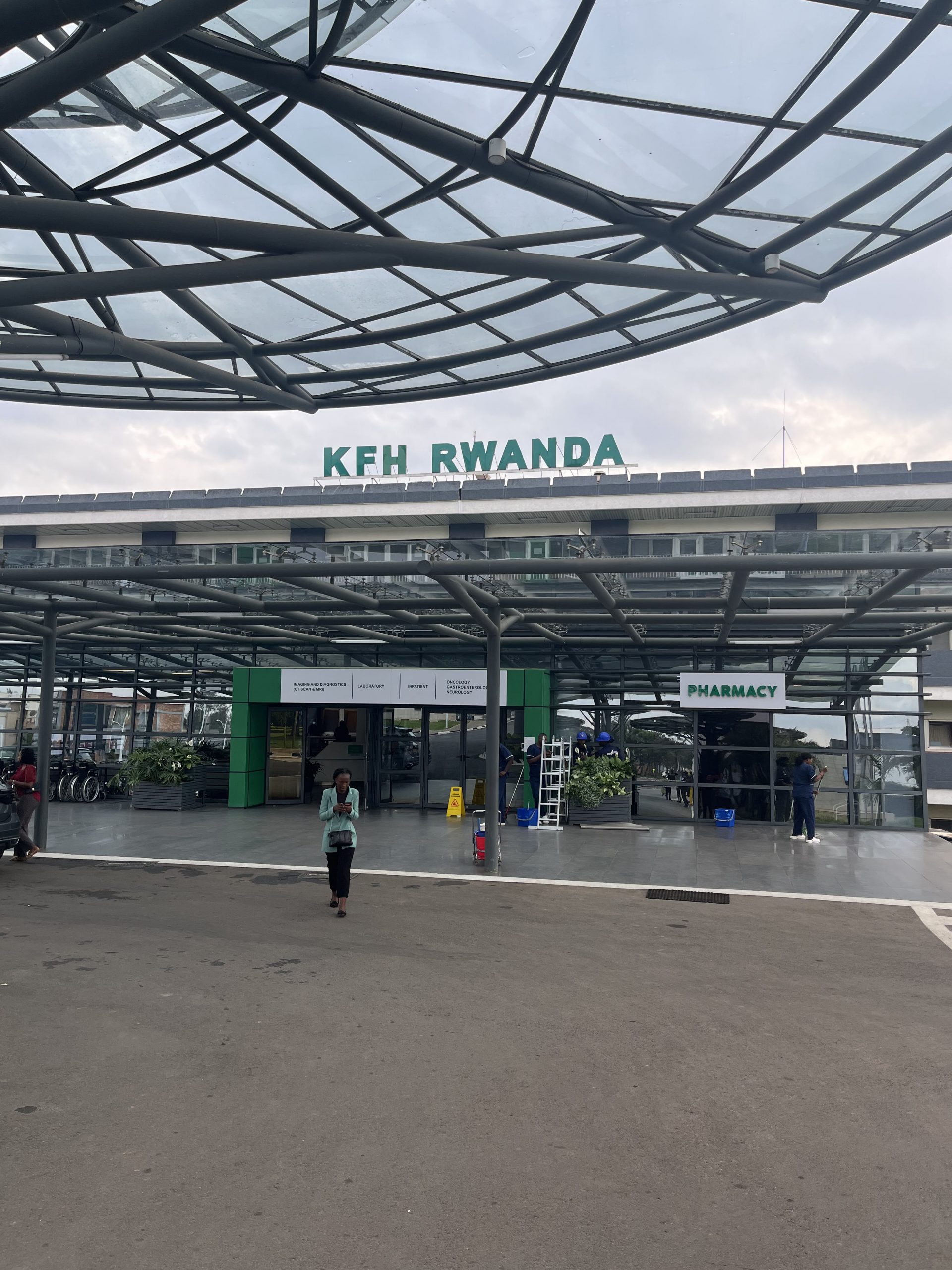
 Khaldoon Rashid, MD, a PGY-3 Internal Medicine Resident at Dartmouth Health, recently traveled to Rwanda this past April to assist with training Rwandan healthcare professionals in Advanced Cardiac Life Support (ACLS). The Center for Global Health Equity provided support for this Global Health experience as part of the Global Health Equity track in the Department of Medicine’s Internal Medicine Residency Program. Moved by the resilience and dedication he witnessed – Dr. Rashid reveals how this experience has shaped his perspective on global health and medical training.
Dartmouth Advanced Cardiac Life Support Training Project in Rwanda
by Khaldoon Rashid, MD
Internal Medicine Resident, PGY-3
Dartmouth Health
Nearly 30 years after the devastating genocide, Rwanda continues its remarkable journey of recovery and progress. During my recent trip, I had the privilege of rotating through King Faisal Hospital (KFH) and the Rwanda Military Hospital (RMH), two of the country's leading medical centers. KFH, a private hospital widely regarded as the most advanced in Rwanda, has recently established the nation's first catheterization lab and is preparing to graduate its first class of cardiology fellows this year. RMH serves active and retired military personnel and their families, playing a critical role in the Rwandan healthcare system.
In the first half of the trip, led by cardiologist Rebecca E. Laird, MD '01, MPH '21, and project lead Arianna Marashi, MPH '25, I participated in teaching an ACLS course to a diverse group of healthcare providers, which included anesthesiologists, cardiologists, intensivists, fellows, residents, and nurses. Teaching ACLS to such a broad audience was both challenging and deeply rewarding. Through this experience, we identified several gaps, including knowledge deficits, team communication, and the need for a structured approach during cardiac resuscitation, as well as learning about available resources and current institutional policies. Over the course of the training, we were proud to work with nearly 45 participants, all of whom successfully passed both the written exam and simulation through their hard work and dedication. We hope in the coming years these individuals will go on to become future educators and leaders in training sessions. The long-term solution lies in further developing the Rwanda Heart Association to support its version of ACLS training as a sustainable model. Until then, we plan to return regularly to support and teach ACLS.
The second half of my experience was spent shadowing at both KFH and RMH, offering an invaluable window into the practice of medicine in a resource-limited setting. I witnessed firsthand the critical importance of clinical judgment and pre-test probability when diagnostic resources are scarce. The thoughtful, measured approach to ordering investigations and managing patients highlighted the necessity of relying heavily on clinical skills, a contrast to the often resource-rich, test-heavy environment to which I am accustomed.
I was particularly struck by the high prevalence of preventable diseases such as rheumatic heart disease (RHD) and came to appreciate the complex barriers to diagnosis and treatment that extend beyond the financial constraints of obtaining tests. While much of the necessary infrastructure for strep throat testing to prevent RHD is already in place, ongoing challenges related to infrastructure gaps, medication availability, and broader systemic healthcare limitations continue to play a critical role. It was interesting to note that Rwanda had a very effective policy in response to the COVID-19 and Marburg virus outbreaks. Through discussions with the cardiology fellows, lectures, and observing echocardiograms, I expanded my medical knowledge and built meaningful professional relationships. The fellows were welcoming and eager to teach, and the one-on-one mentorship and camaraderie I experienced are something that can be hard to find in the high-paced environment of U.S. training programs.
After work, we explored Rwanda! I was invited to join the cardiology team's weekly football match. While my lack of skill on the field was evident, perhaps my efforts and persistence earned me a few nods. I had the opportunity to experience Rwanda's rich culture, tasting some of the finest coffee we have ever had (even by Seattle standards), taking part in a coffee-making class, visiting a local milk bar (and learning that an average Rwandan drinks ~80L or 21 gallons of milk a year), and exploring vibrant murals that reflect the country's history of resilience. Walking through Kigali, I could feel the rhythm of daily life, the gentle breeze, the quiet energy of the hills, and a deep sense of purpose among a people committed to building their nation with strength and hope.
This experience has profoundly shaped my understanding of global health. It underscores the importance of not only providing medical care but also addressing systemic issues through policy and sustainable health system development. Moving forward, I am motivated to remain involved in global health efforts, combining clinical service and education with advocacy and system-refining initiatives. I recognize that true change comes not just from temporary clinical missions but from partnerships focused on long-term education, infrastructure support, and policy reform. I am grateful to the Center for Global Health Equity for the generous support and funding that made this invaluable experience possible.
As I continue my training, I plan to pursue a career in interventional cardiology. Regardless of the path, this experience in Rwanda has deepened my commitment to practicing medicine with a global perspective. While my time in Rwanda offered just a glimpse into the challenges and rewards of global health, it however planted a seed for future collaboration. The connections formed with the cardiology department, fellows, and residents are relationships I hope to nurture, with the goal of returning and contributing meaningfully in the years to come. I am grateful for this experience, which has broadened my perspective on medicine and reinforced my lifelong commitment to global health equity.
Teaching ACLS to Rwandan Healthcare Professionals; led by cardiologist Dr. Rebecca E. Laird, MD'01, MPH'21, and project lead, Arianna Marashi, MPH'21, and me. During skills training, trainees engaged in role-based simulations that emphasized leadership, communication, and teamwork in high-stakes cardiac resuscitation scenarios. This allowed them to develop critical skills in running a scenario and managing team dynamics in a controlled, supportive environment. Photos courtesy of Khaldoon Rashid, MD - PGY-3.


From fine coffees and traditional milk bars to vibrant murals that tell stories of culture and resilience, Rwanda offers a deep connection to its spirit and community. Photos courtesy of Khaldoon Rashid, MD - PGY-3.