I leave with immense gratitude…
by,
Carly Ratekin, MED‘25
James Strickler Clinical Elective in Global Health Reflection
Dar es Salaam, Tanzania
All photos provided by Carly Ratekin, MED‘25
After six weeks in Dar es Salaam, Tanzania, it’s hard to put into words just how much this global health rotation has shaped me—both personally and professionally. I came to Muhimbili National Hospital (MNH) eager to see how care is delivered in a large urban referral center, having previously only worked in smaller, rural settings. What I found was not just a complex and vibrant health system, but a deeply personal journey of growth, learning, and connection.
From my very first week at MNH, I was struck by the acuity of the cases we were seeing—molar pregnancies, omphaloceles, eclamptic seizures. It became immediately clear that patients were traveling long distances and passing through multiple facilities to reach MNH, the pinnacle of care in the Tanzanian system. Providers here are deeply proud of their work, and rightly so: they are caring for the country’s most complex and critically ill patients. Diagnoses were made with striking reliance on physical exam and clinical reasoning, often with minimal lab or imaging support. It pushed me to revisit core clinical skills and reframe how I think about diagnostic certainty.
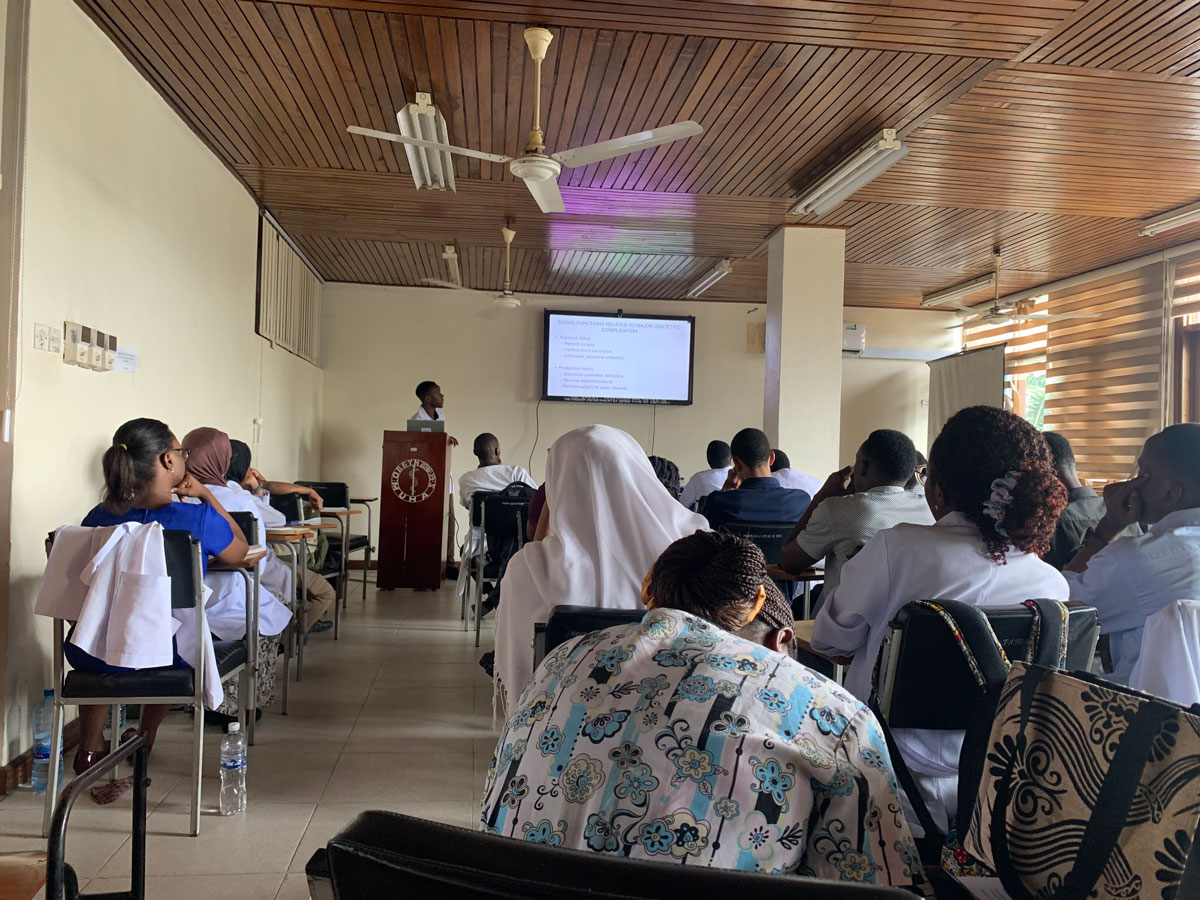
Clinically, I had the opportunity to rotate through the OB/Gyn and emergency departments—two high-acuity environments that gave me a broader perspective on care delivery in a national referral-level hospital. In the operating theatre, I had the chance to assist in obstetric surgeries and work alongside residents and attendings. While the environment was quite different from what I’m used to in the U.S., it offered an invaluable perspective on training systems, supervision models, and the sustainability of resources. Later, I saw a broad range of emergent conditions in the emergency department while working with attending physicians, registrars (similar to APPs), residents, and students. Despite the presence of advanced monitors and ultrasound machines, many tools were intermittently functional or in short supply. This highlighted the importance of locally made equipment with staff trained to service broken items--a piece of global health delivery that is often forgotten. In both clinical settings, I developed a deeper appreciation for clinical problem-solving, team collaboration, and the importance of being present and prepared regardless of the tools at hand.

One of the most profound and challenging moments of my time in Tanzania was witnessing the death of a young mother. The emotional impact stayed with me, not only as grief but as a deep and lingering reflection on how we talk about difficult experiences in global health. As I considered whether and how to share this story, I grappled with the responsibility of representation. How do I honor the gravity of a tragedy without reducing Tanzania to its hardships? How can I speak truthfully about pain while still conveying the richness, beauty, and complexity of the place and people I’ve come to know? These are questions I continue to sit with—questions that underscore the importance of approaching global health storytelling with both honesty and humility.
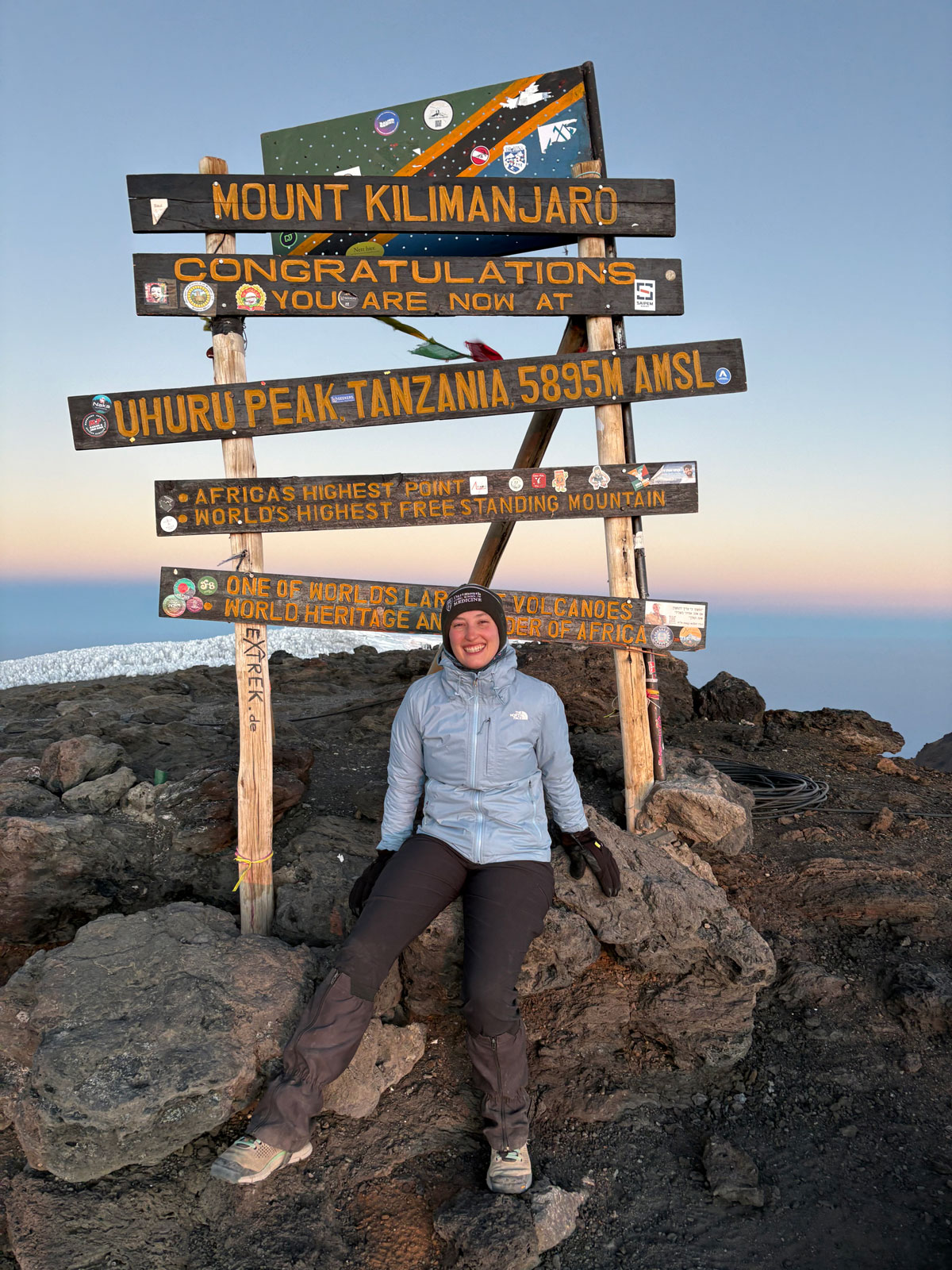
Outside the hospital, life in Dar es Salaam was full of everyday adventures that made the experience even more memorable. From figuring out how to pay for electricity to sampling unfamiliar fruits along roadside stalls, each small moment was a lesson in adaptation and discovery. Our Swahili classes turned out to be one of the most rewarding parts of the trip, helping us engage more meaningfully with patients and connect more deeply with the broader community. On weekends, I explored Tanzania with other international medical students—hiking through the Uluguru Mountains, relaxing on the beaches of Zanzibar, and spotting wildlife in Mikumi National Park. I ended my time in Tanzania by summiting Mount Kilimanjaro, an experience that was physically demanding yet spiritually grounding—a perfect culmination of a journey marked by reflection, growth, and joy.
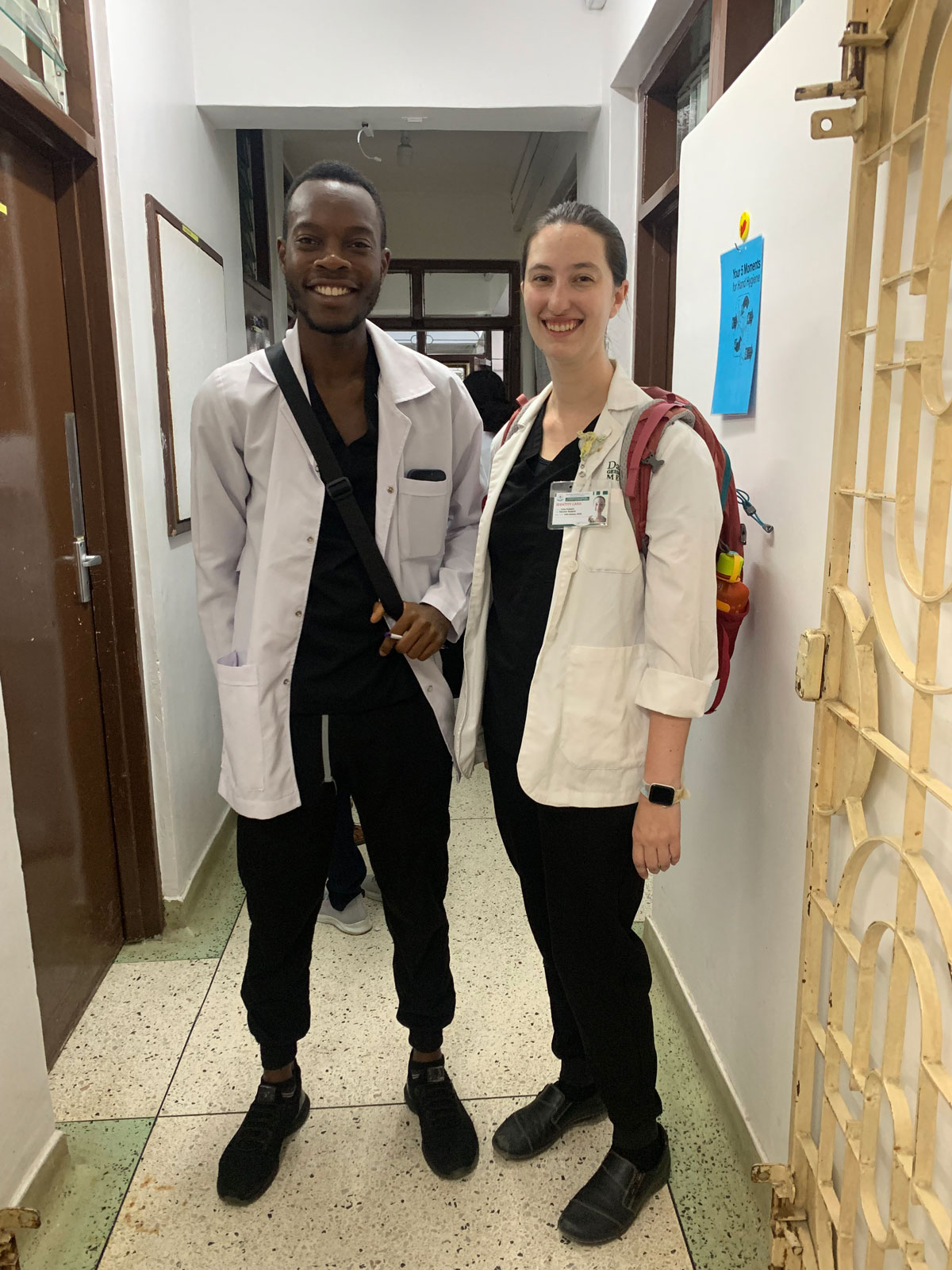
As I look back on my time in Tanzania, what stands out most is the people: the physicians who pushed me to deepen my clinical knowledge, the students who welcomed me with open arms, and the community members who patiently tolerated my broken Swahili. Some of my most impactful moments came from conversations and camaraderie with Tanzanian medical students. Their kindness, patience, and generosity in helping us acclimate meant more than I can express. From orienting us on the wards to joining us for weekend outings and meals, they turned what could have been a daunting experience into one filled with friendship and shared purpose. I sincerely look forward to lifelong friendships with them.
I leave with immense gratitude - for the learning, the challenges, the conversations, and the unexpected moments of joy. Global health is not just about seeing new diseases or different resource settings—it’s about building relationships, reflecting deeply, and letting those experiences change how you think, practice, and live.